












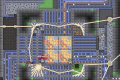

The game 400 Years is a short puzzle experience built around time manipulation and environmental logic. Instead of controlling a character directly through movement and combat, the player influences how time passes in the world. The setting is minimal, with simple visuals and a focus on cause-and-effect relationships. From the first interaction, the game makes it clear that progress depends on understanding how actions in one moment affect outcomes far in the future. There are no long explanations, and the player learns the rules by observing changes in the environment.



400 Years
Advertisement

Advertisement








Time As A Core Mechanic
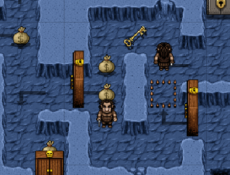
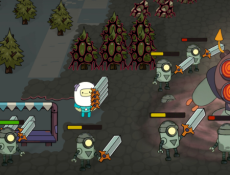
Unlike traditional puzzle games, 400 Years treats time itself as the main tool. The player can trigger the flow of time, causing structures to decay, plants to grow, or terrain to change. These changes are permanent and affect how the level can be completed. Movement is limited, so progress depends on planning rather than speed. Each decision must account for how the environment will look after years or centuries pass, making foresight more important than reaction.
Player Interaction and Logic
The interaction system in 400 Years is simple but demanding. The player is required to think several steps ahead before making a move, as mistakes cannot always be undone. There are no enemies or score counters, only the environment reacting to time.
Main gameplay elements include:
- triggering the passage of time
- observing environmental changes
- using altered terrain to reach new areas
- planning actions based on long-term effects
These mechanics create a puzzle structure where experimentation and observation are essential. Progress comes from understanding patterns rather than solving traditional logic challenges.
Visual Style and Sound Design
The visual presentation of 400 Years is restrained and clean. Colors are limited, and the environment is designed to communicate changes clearly rather than impress visually. This simplicity helps the player focus on the results of time progression. Animation is subtle, often showing slow transformations rather than immediate reactions. Sound design follows the same approach, using minimal effects to indicate changes without distracting from the core mechanic.
400 Years offers a reflective gameplay experience centered on planning and patience. The game avoids complexity in controls or systems, instead building depth through its central idea. Each level feels like a small experiment where the player observes how time reshapes the world. The absence of pressure or combat allows for thoughtful decision-making, making the game suitable for players who prefer logical challenges over fast-paced action. Its structure encourages careful thinking and rewards understanding how small actions can lead to long-term results.
Comments (0)


2026
