








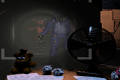


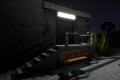
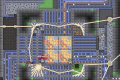

60 Seconds is a survival management game structured around emergency response and bunker-based decision systems. The gameplay loop combines a short real-time preparation sequence with a longer turn-based survival phase. Players are tasked with preserving a family’s stability after a nuclear disaster by controlling resources, evaluating risks, and responding to unpredictable situations. The design emphasizes prioritization, probability assessment, and long-term planning rather than reflex-based mechanics.



60 Seconds
Advertisement
Advertisement



60 Seconds is a survival management game structured around emergency response and bunker-based decision systems. The gameplay loop combines a short real-time preparation sequence with a longer turn-based survival phase. Players are tasked with preserving a family’s stability after a nuclear disaster by controlling resources, evaluating risks, and responding to unpredictable situations. The design emphasizes prioritization, probability assessment, and long-term planning rather than reflex-based mechanics.
Emergency Scavenging Mechanics
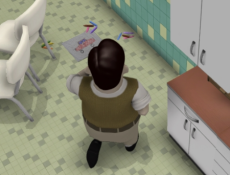
Each session opens with a fixed sixty-second countdown. During this window, players move through a house environment collecting supplies and selecting which family members to bring into the shelter. Objects differ in utility, including consumables, medical items, tools, and survival equipment. Because time is limited, the player must balance movement efficiency with strategic selection. The procedural placement of items introduces variability between runs, influencing optimal decision-making.
This initial phase determines the starting conditions of bunker survival. Insufficient supplies increase difficulty, while acquiring key items may unlock additional choices later. The preparation stage functions as a compressed strategy challenge where decisions carry extended consequences.
Bunker Resource Management
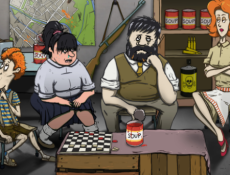
After the explosion, gameplay transitions into a turn-based survival model. Players manage food and water distribution, track character conditions, and allocate tasks. Each family member has variables such as health, fatigue, and psychological state. Resource scarcity gradually increases pressure, requiring careful rationing. Sending characters outside for scavenging missions offers potential gains but introduces uncertainty.
Core survival elements include:
- Ration allocation systems
- Character condition monitoring
- Expedition risk evaluation
- Item durability management
- Event-based choice handling
These mechanics operate continuously throughout the shelter phase.
Random Events And Decision Trees
Daily events drive the progression of 60 Seconds. Situations include encounters with outsiders, equipment malfunctions, environmental threats, and internal conflicts. Each scenario presents branching decisions with probabilistic outcomes. Actions may yield immediate effects or delayed consequences. The absence of predictable solutions requires players to weigh potential benefits against risks. This system rewards adaptive thinking and resource awareness.
Comments (0)


2026
