













Angry Birds is a physics-based puzzle game centered on launching birds to destroy structures and defeat enemies placed within them. Each level presents a fixed layout where the player must eliminate all targets using a limited number of birds. The core challenge lies in understanding trajectories, impact force, and how different materials react to collisions. Progression is level-based, with increasing complexity as new mechanics are introduced.



Angry Birds
Advertisement

Advertisement





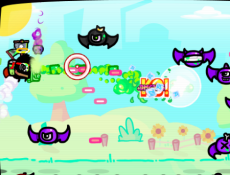




Angry Birds is a physics-based puzzle game centered on launching birds to destroy structures and defeat enemies placed within them. Each level presents a fixed layout where the player must eliminate all targets using a limited number of birds. The core challenge lies in understanding trajectories, impact force, and how different materials react to collisions. Progression is level-based, with increasing complexity as new mechanics are introduced.
Core Mechanics And Player Interaction
The main interaction in Angry Birds is performed through a slingshot system. Players pull back, adjust angle and power, then release a bird toward the structure. Once launched, most birds have a specific ability that can be activated mid-flight. These abilities affect how damage is dealt and how structures collapse. Success depends on timing and placement rather than speed, encouraging deliberate actions over repeated attempts.
Level Design And Bird Types
Levels are designed around simple physics rules that govern gravity, momentum, and material resistance. Wood, stone, and glass behave differently when struck, requiring players to choose targets carefully. As the game progresses, new bird types are introduced, each altering how a level can be approached. Understanding these roles is essential for efficient completion.
In the middle of gameplay, players commonly rely on:
- Direct-impact birds for structural damage
- Splitting birds to cover multiple targets
- Acceleration-based birds for penetrating dense materials
- Area-effect birds for clearing clustered enemies
Scoring And Progression System
Angry Birds evaluates performance through a scoring system based on damage and remaining birds. Higher scores unlock additional rewards and encourage replaying levels with improved efficiency. While completing a level is required to advance, optimal scores are optional. This structure allows both casual completion and focused score improvement without changing core mechanics.
Visual Feedback And Accessibility
The game uses clear visual indicators to communicate damage, movement, and collapse. Animations show how forces transfer through structures, helping players understand why an attempt succeeded or failed. Controls are minimal and adapted for touch input, making interaction consistent across devices. Instructions are presented visually, reducing reliance on text.
Replay Value And Long-Term Engagement
Replay value in Angry Birds comes from refining approaches rather than discovering new rules. Levels can be revisited to test alternative launch angles or bird usage. Over time, players improve by learning how physics interactions behave in different setups. The game maintains engagement through structured progression and consistent mechanics rather than expanding control complexity or adding time-based pressure.
Comments (0)


2026
