












Beware The Shadowcatcher is a first-person survival and management game structured around balancing routine duties with environmental threats. The gameplay takes place within a confined diner setting where players are responsible for completing operational tasks while avoiding a hostile entity. The design focuses on timing, spatial awareness, and decision prioritization. Instead of combat-driven mechanics, the experience relies on task execution and threat avoidance.



Beware the Shadowcatcher
Advertisement
Advertisement
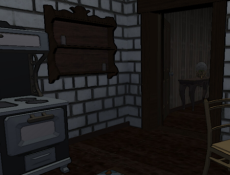
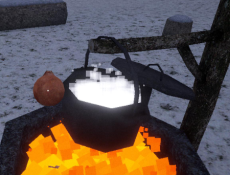




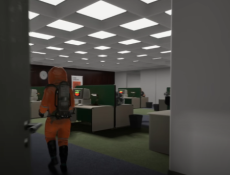

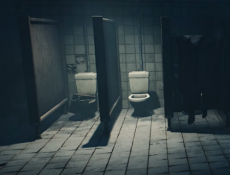
Beware The Shadowcatcher is a first-person survival and management game structured around balancing routine duties with environmental threats. The gameplay takes place within a confined diner setting where players are responsible for completing operational tasks while avoiding a hostile entity. The design focuses on timing, spatial awareness, and decision prioritization. Instead of combat-driven mechanics, the experience relies on task execution and threat avoidance.
Gameplay Structure And Flow
The core gameplay loop alternates between service activities and survival responses. Players move through the diner, interact with workstations, and process customer requests. Actions such as preparing meals and delivering orders form the functional backbone of progression. These tasks must be completed efficiently, as delays or mistakes may disrupt stability within the session.
The pacing is influenced by external interruptions. The Shadowcatcher appears unpredictably, forcing players to shift from productivity to defensive behavior. This transition defines the rhythm of gameplay, where periods of task management are repeatedly interrupted by stealth-based survival mechanics.
Operational And Survival Systems
Beware The Shadowcatcher combines multiple mechanics that operate simultaneously:
- Order preparation and fulfillment
- Character switching between roles
- Navigation across the diner layout
- Concealment and stealth actions
- Threat monitoring and avoidance
These systems interact continuously, shaping the decision-making process.
Task performance directly impacts exposure levels. Efficient management supports smoother progression, while errors increase vulnerability.
Character Roles And Mechanics
Players control multiple characters assigned to different responsibilities. Each role affects movement patterns and interaction priorities. Switching between characters introduces strategic considerations, requiring players to evaluate timing and positional safety. This mechanic adds a coordination layer to gameplay, where actions must be planned relative to both task demands and threat presence.
The control scheme is designed around straightforward interactions. Movement, object usage, and concealment actions are executed through accessible inputs. The mechanics emphasize situational decision-making rather than technical complexity.
Threat Behavior And Avoidance
The Shadowcatcher functions as the central hazard. Its presence introduces stealth-based mechanics that require players to hide, crouch, or reposition. Detection systems rely on visibility and proximity rather than direct confrontation. Players must observe environmental cues and adjust behavior accordingly.
Spatial awareness becomes critical. Map layout, object placement, and movement routes influence survival success. Threat encounters are variable, preventing predictable patterns.
Progression And Replay Dynamics
Beware The Shadowcatcher features multiple outcomes influenced by player decisions and task efficiency. Difficulty settings modify challenge intensity while preserving core mechanics. Replayability emerges through dynamic threat encounters and alternative strategic approaches.
The game operates as a hybrid simulation where players continuously balance operational productivity with survival strategy inside a constrained, threat-driven environment.
Comments (0)


2026
