










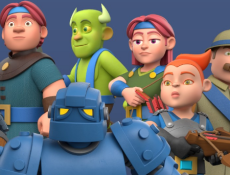
Boom Arena is a competitive action game structured around confined battle environments and real-time encounters. The gameplay focuses on direct player interaction within limited maps designed to encourage frequent combat. Instead of exploration or narrative systems, the game emphasizes mechanical skill, situational awareness, and decision-making during fast matches. Players participate in repeated sessions where performance is shaped by movement efficiency, positioning, and combat timing.



Boom Arena
Advertisement
Advertisement

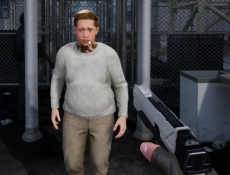


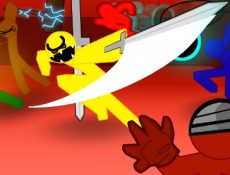
Boom Arena is a competitive action game structured around confined battle environments and real-time encounters. The gameplay focuses on direct player interaction within limited maps designed to encourage frequent combat. Instead of exploration or narrative systems, the game emphasizes mechanical skill, situational awareness, and decision-making during fast matches. Players participate in repeated sessions where performance is shaped by movement efficiency, positioning, and combat timing.
Arena-Based Engagement Model
The primary structure of Boom Arena is built on isolated arenas. Each arena functions as a contained combat zone where players must react quickly to threats. Movement mechanics play a central role, as survival depends on constant repositioning and spatial control. Maps are typically designed with obstacles, elevation changes, or narrow routes that influence encounter dynamics. Players who understand terrain layout can anticipate enemy movement and manage engagements more effectively.
Combat interactions occur continuously due to the restricted size of battle areas. This design reduces downtime between encounters and keeps players actively engaged. The arena model prioritizes immediate conflict rather than extended preparation phases.
Combat And Tactical Systems
Boom Arena incorporates several gameplay mechanics that operate simultaneously:
- Character movement and navigation
- Weapon or ability deployment
- Opponent tracking and targeting
- Resource or cooldown management
- Positional strategy
These systems define match flow and influence player performance.
Weapon handling and timing decisions are essential components of combat. Depending on the game mode, players may need to balance offensive actions with defensive positioning. Tactical adaptation becomes important when facing multiple opponents or shifting battle conditions.
Match Flow And Player Behavior
Matches are typically designed for short durations. The pacing is shaped by continuous encounters and rapid decision cycles. Opponent behavior introduces variability, as each player’s movement and combat style affects engagement patterns. Situational awareness, including threat detection and reaction speed, directly impacts survival and effectiveness.
Game modes may alter interaction dynamics. Free-for-all formats emphasize individual skill, while team-based encounters require coordination and shared strategy. Mode selection changes how players approach movement, targeting, and risk management.
Progression And Repeated Play
Boom Arena often includes systems that reward match participation. Progression mechanics may unlock characters, equipment, or customization options. These features encourage repeated engagement and long-term play. Replayability is supported by match variability, as arena encounters rarely produce identical scenarios.
Boom Arena functions as a skill-driven arena combat experience. Its design prioritizes movement precision, tactical positioning, and adaptive decision-making within fast, confined multiplayer sessions.
Comments (0)


2026
