





















Boxing Random is a physics-based fighting game built around simplified controls and unpredictable outcomes. The player controls a boxer using a single input that triggers punches and movement simultaneously. Instead of precise combinations or timing chains, the gameplay relies on how characters react to physics interactions. Each round is short, and the objective is to land hits that push the opponent backward or knock them out within a limited space.



Boxing Random
Advertisement

Advertisement


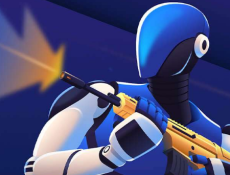





Boxing Random is a physics-based fighting game built around simplified controls and unpredictable outcomes. The player controls a boxer using a single input that triggers punches and movement simultaneously. Instead of precise combinations or timing chains, the gameplay relies on how characters react to physics interactions. Each round is short, and the objective is to land hits that push the opponent backward or knock them out within a limited space.
Core Gameplay Mechanics
The control scheme is intentionally minimal. One button activates attacks and movement, causing both boxers to swing and shift positions in a semi-random manner. The direction, reach, and impact of each punch depend on character posture and momentum at the moment of input. As a result, identical actions can lead to different outcomes. Matches are typically played until one side reaches a set number of points, making each round a quick exchange rather than a prolonged fight.
Randomization and Match Conditions
Every round introduces a new variation that alters how the fight unfolds. These changes affect movement, attack speed, and environmental conditions. Players must adjust continuously, as no two rounds behave in exactly the same way. Some variations make movement slower and heavier, while others increase speed and unpredictability.
- Variable punch strength and reach
- Changing character sizes or proportions
- Different gravity affecting movement and jumps
- Altered ring environments that impact positioning
- Sudden shifts in animation speed between rounds
Multiplayer and Local Play
Boxing Random includes both single-player and local multiplayer modes. In single-player, the opponent is controlled by the game’s AI, which reacts within the same physics constraints. In multiplayer, two players compete on the same device, each using a separate control input. The simplicity of the system allows immediate participation without prior experience, while the randomness reduces the impact of mechanical skill differences.
Replayability and Match Flow
The game is structured around short sessions with fast transitions between rounds. There is no complex progression system or persistent upgrades. Replayability comes from the variability of each match and the unpredictability of physics interactions. Players are encouraged to replay matches to experience different combinations of conditions and outcomes.
Comments (0)


2026
