





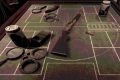
Broken Colors is a narrative puzzle game built around themes of perception and reconstruction. The player takes on the role of a character navigating fragmented environments, each represented through distorted color palettes and visual puzzles. The goal is to restore balance to each scene by identifying patterns, rearranging fragments, and uncovering connections hidden within the visuals. Progression relies on interpreting how shapes and colors interact rather than solving traditional logic puzzles. Broken Colors emphasizes analysis and experimentation through its gradual restoration process.


Broken Colors
Advertisement

Advertisement
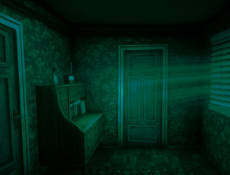
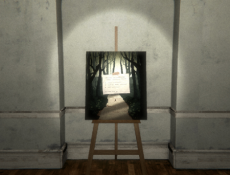


Broken Colors is a narrative puzzle game built around themes of perception and reconstruction. The player takes on the role of a character navigating fragmented environments, each represented through distorted color palettes and visual puzzles. The goal is to restore balance to each scene by identifying patterns, rearranging fragments, and uncovering connections hidden within the visuals. Progression relies on interpreting how shapes and colors interact rather than solving traditional logic puzzles. Broken Colors emphasizes analysis and experimentation through its gradual restoration process.
Gameplay and Structure
The gameplay in Broken Colors centers on interaction with abstract spaces. Each level begins as a fractured image that the player must repair through movement, alignment, and selection of correct color sequences. The interface provides tools to rotate, combine, or separate elements that react to player input. As the player advances, puzzles become more complex, requiring memory and attention to contrast. The sequence of levels creates a visual rhythm, introducing new challenges while maintaining consistency in rules and structure.
Core Features and Puzzle Design
Broken Colors integrates multiple mechanics that form its distinctive puzzle framework.
Main Features and Systems:
- Interactive color and shape manipulation.
- Progressive difficulty across multiple environments.
- Visual cues guiding puzzle solutions.
- Layered sound design tied to successful combinations.
- Optional challenge modes for replay and mastery.
These systems encourage observation and pattern recognition. The player learns how each puzzle follows its own internal logic, developing new strategies with each stage.
Story Integration and Atmosphere
The narrative in Broken Colors unfolds indirectly through environmental clues rather than dialogue. Each completed area restores a portion of the world, revealing subtle details about its past state. The use of shifting tones and fragmented imagery symbolizes reconstruction and adaptation. The absence of explicit storytelling allows players to interpret the meaning of progress through visual changes alone. The act of solving puzzles becomes both mechanical and interpretive, blending gameplay and narrative into a unified process.
Comments (0)


2026
