











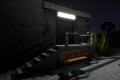
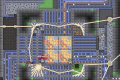
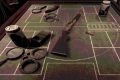
Burglin’ Gnomes is a stealth-oriented game built around small-scale characters operating in oversized environments. The player controls gnomes that infiltrate human houses to retrieve objects while avoiding detection. Ordinary rooms become complex spaces filled with obstacles, hiding spots, and risks due to the gnomes’ limited size. The game emphasizes careful movement, awareness of surroundings, and controlled interaction rather than fast action.



Burglin’ Gnomes
Advertisement

Advertisement

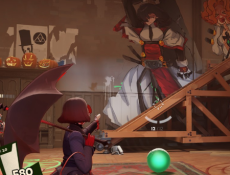


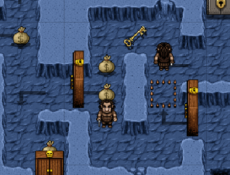




Burglin’ Gnomes is a stealth-oriented game built around small-scale characters operating in oversized environments. The player controls gnomes that infiltrate human houses to retrieve objects while avoiding detection. Ordinary rooms become complex spaces filled with obstacles, hiding spots, and risks due to the gnomes’ limited size. The game emphasizes careful movement, awareness of surroundings, and controlled interaction rather than fast action.
Infiltration And Environmental Scale
Each mission places the player inside a house where everyday objects create navigation challenges. Tables, shelves, and furniture act as barriers or cover, forcing players to plan paths carefully. Entry points and exits are fixed per mission, making route selection an important early decision. Because the environment reacts to sound and movement, even small actions can change how safe an area is. Learning how spaces connect becomes essential for consistent success.
Threats And Detection Rules
Enemies in Burglin’ Gnomes respond to visibility and noise rather than scripted events. Dropping items, opening containers, or moving too quickly can draw attention. Detection does not always end a mission immediately, but it increases pressure and reduces safe options. Players must decide whether to continue collecting items or retreat early. This risk assessment forms a major part of the gameplay loop and encourages cautious planning.
Core Gameplay Systems
The game is structured around several recurring mechanics:
- Stealth-based navigation inside houses
- Item collection with physical interaction
- Detection systems tied to sound and sight
- Mission objectives focused on escape
- Optional cooperative coordination
These systems work together in every mission. There are no random upgrades during a run, so outcomes depend on player behavior rather than chance. Familiarity with mechanics improves consistency over time.
Cooperation And Task Division
In cooperative mode, Burglin’ Gnomes allows players to divide responsibilities. One player may scout ahead while another focuses on carrying items. Larger objects may require teamwork, forcing coordination and timing. Communication becomes important when reacting to sudden threats. Solo play follows the same rules but places all responsibility on a single player, increasing the need for careful pacing.
Comments (0)


2026
