














Horror Games
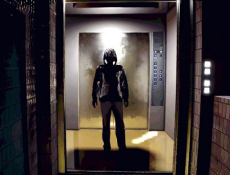
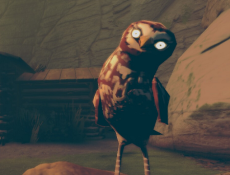
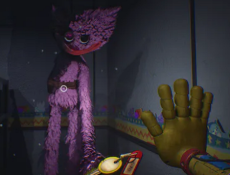
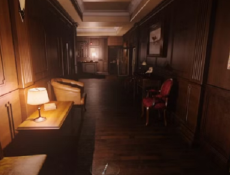
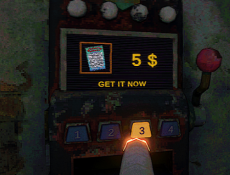

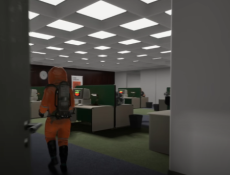

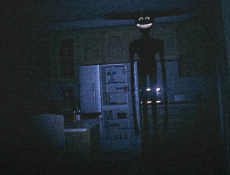
Horror Games make up a category built around tension, uncertainty, and moments that challenge a player’s sense of safety. These games use atmosphere, pacing, and carefully crafted scenarios to create discomfort or anticipation. The focus is often on surviving encounters, exploring unsettling environments, or solving problems under pressure. Unlike action-based genres, Horror Games rely more on mood and decision-making, encouraging players to think carefully about every step they take.
Core Mechanics and Emotional Design
The mechanics of Horror Games vary widely, but they often include slow navigation, limited resources, and environments designed to keep the player alert. Some games use first-person perspectives to increase immersion, while others place players in third-person viewpoints that emphasize vulnerability. Sound design plays an important role, guiding the player’s attention or creating false cues that build suspense. Many titles rely on small details—footsteps, distant sounds, or dim lighting—to shape the emotional experience.
Types of Challenges and Player Expectations
Horror Games include different types of challenges depending on their structure. Some focus on exploration, requiring players to navigate dark or confusing areas. Others emphasize escape sequences where quick reactions determine survival. Puzzle-solving is also common, giving players a break from tense moments while still keeping pressure in the background. The variety of approaches ensures that horror experiences can suit players who prefer strategy, atmosphere, or fast decisions.
A short list of common features found in many Horror Games:
- Limited visibility that encourages slow, cautious movement.
- Restricted resources such as health or tools that increase uncertainty.
- Environmental storytelling hidden in objects, notes, or surroundings.
- Sudden threats that force the player to adapt quickly.
Themes, Settings, and Narrative Approaches
The settings of Horror Games often include abandoned buildings, isolated areas, or places where normal rules seem altered. These spaces create situations where the player must rely on observation rather than combat. Narratives may unfold through exploration rather than direct storytelling, allowing players to piece together what happened from environmental clues. This approach encourages curiosity and attention while maintaining a sense of unease.
Lasting Appeal and Player Experience
The appeal of Horror Games comes from their ability to create controlled tension and unforgettable moments. Even simple mechanics can feel intense when paired with unpredictable elements or unfamiliar environments. Players often return to the genre to test their reactions, explore new stories, or experience different interpretations of fear. Over time, Horror Games develop a unique rhythm: uncertainty, discovery, and the satisfaction of overcoming situations that initially felt overwhelming. This balance keeps the category engaging for both new players and experienced fans who enjoy psychological challenges and immersive, atmospheric gameplay.