
















Platformer Games
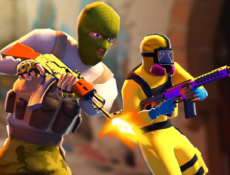
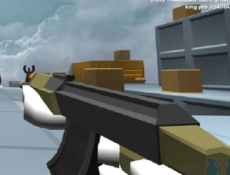




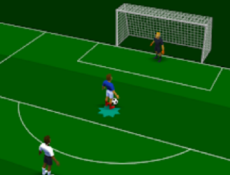
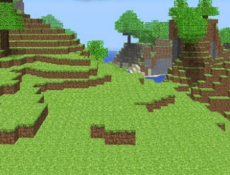


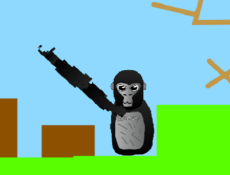

Platformer Games form a category built around movement, timing, and navigating environments filled with obstacles. These games typically involve running, jumping, and climbing across platforms arranged in structured levels. Players progress by avoiding hazards, reaching new areas, and overcoming spatial challenges that test coordination. Platformer Games appeal to players who enjoy mastering precise controls and exploring environments that reward skill and repetition.
Core Mechanics and Level-Based Structure
A defining feature of Platformer Games is their clear focus on character movement. Players must judge distances, time jumps accurately, and adapt to patterns within each level. Enemies, traps, and moving platforms often create additional challenges that require careful observation. Progression is usually linear, with each stage introducing new mechanics or variations of previous obstacles. This design encourages players to learn through trial and error while gradually improving their technique.
A short list of common features found in Platformer Games:
- Jumping and movement-focused controls.
- Levels built with obstacles, platforms, and environmental hazards.
- Increasing difficulty that tests precision and timing.
- Visual cues that guide the player’s path through each stage.
Variety, Themes, and Player Engagement
Platformer Games cover a wide range of themes, from lighthearted adventures to more serious or abstract worlds. Some titles emphasize speed and flow, while others focus on careful navigation or puzzle-like layouts. Visual styles can vary widely, including hand-drawn art, pixel graphics, or simple shapes. The combination of fixed pathways and freedom of movement allows players to experiment with different approaches, whether through fast runs or cautious progression. This versatility keeps the genre engaging across many play styles.
Lasting Appeal and Skill Development
The appeal of Platformer Games comes from their ability to transform simple mechanics into meaningful challenges. Even basic controls can develop depth when combined with thoughtful level design and rhythm-based obstacles. Players often return to the genre to improve their skills, complete levels more cleanly, or discover hidden areas. Because platforming relies on practice and pattern recognition, it offers a sense of growth that feels both consistent and rewarding. Over time, Platformer Games remain a reliable category for anyone who enjoys movement-focused gameplay and the satisfaction of overcoming structured challenges.