








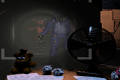

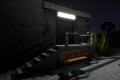
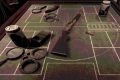
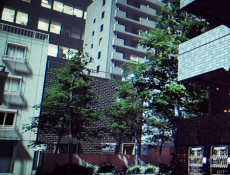
Chilla’s Art 2 refers to a collection-style experience inspired by the works of Chilla’s Art, focusing on short horror scenarios built around everyday situations. The gameplay is usually presented in a first-person perspective where the player explores confined locations and interacts with objects. Each scenario places the player in a different setting and builds tension through limited information and environmental details rather than direct action.



Chilla’s Art 2
Advertisement
Advertisement

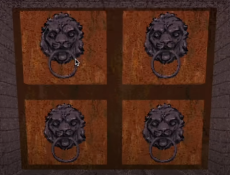
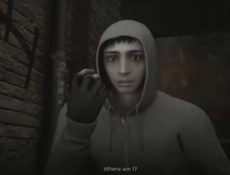


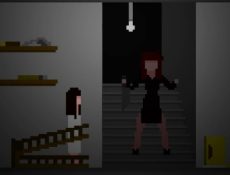
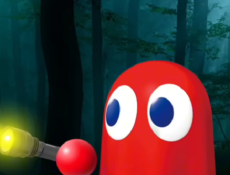
Chilla’s Art 2 refers to a collection-style experience inspired by the works of Chilla’s Art, focusing on short horror scenarios built around everyday situations. The gameplay is usually presented in a first-person perspective where the player explores confined locations and interacts with objects. Each scenario places the player in a different setting and builds tension through limited information and environmental details rather than direct action.
Structure And Gameplay Flow
The game is divided into separate segments, each functioning as an individual story. Players move through small areas such as apartments, shops, or streets while completing simple tasks. Progression is linear, with events triggered by interaction or movement through specific points.
There are no complex mechanics or combat systems. The focus remains on exploration and observation. Players must pay attention to surroundings to understand what is happening and how to proceed to the next step.
Interaction And Environment
Interaction is limited to basic actions such as opening doors, picking up objects, or triggering events. The environment is designed to guide the player without clear instructions. Subtle changes in sound or layout often indicate that something has shifted.
- Objects can trigger story progression
- Movement activates new events
- Sound cues indicate nearby changes
- Limited controls keep focus on exploration
Understanding how the environment responds helps players move forward without confusion.
Player Approach And Experience
Success in Chilla’s Art 2 depends on careful observation and steady pacing. Moving too quickly can cause players to miss important details that are required to progress. Slower exploration helps identify changes in the environment and understand the sequence of events.
Chilla’s Art 2 encourages repeated playthroughs to see alternative outcomes or notice missed details. Each scenario can present different interpretations depending on player actions. Over time, players become more familiar with how the game signals progression, which improves overall navigation and understanding.
Comments (0)


2026
