












Chuchel is a point-and-click adventure game focused on short interactive scenes built around cause-and-effect logic. The player follows a main character through a sequence of situations where progress depends on interacting with objects in the correct order. There is no traditional inventory system or complex control scheme. Each scene functions as a contained puzzle that must be resolved before moving forward, creating a steady and structured pace throughout the game.



Chuchel
Advertisement

Advertisement






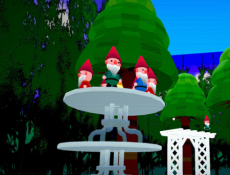

Chuchel is a point-and-click adventure game focused on short interactive scenes built around cause-and-effect logic. The player follows a main character through a sequence of situations where progress depends on interacting with objects in the correct order. There is no traditional inventory system or complex control scheme. Each scene functions as a contained puzzle that must be resolved before moving forward, creating a steady and structured pace throughout the game.
Puzzle Structure And Player Input
The core gameplay of Chuchel is based on observation and experimentation. Players interact with characters and objects using simple mouse input, triggering reactions that either move the scene forward or reset the situation. There are no explicit instructions, which encourages players to test interactions and learn through feedback. Each puzzle is designed to be solved within a short time frame, keeping progress consistent without long interruptions.
Scene Design And Progression
The game is divided into many small scenes rather than large environments. Each scene presents a specific problem with a limited set of interactive elements. Once the correct sequence is completed, the game transitions to the next situation. This structure removes backtracking and keeps the focus on the current task. Progression is linear, with each scene building on the expectations established earlier in the game.
At the center of the experience are several recurring design elements that define how the game operates:
- Point-and-click interaction without inventory management
- Self-contained scenes with clear resolution states
- Progression through correct action sequences
- Immediate feedback for player input
- Linear structure without branching paths
Visual Language And Sound Design
Chuchel uses visual and audio cues to communicate outcomes instead of text or dialogue. Reactions from characters and changes in the environment indicate whether an action was effective. Sound effects often signal completion or failure within a scene, guiding the player without explicit messages. This approach keeps interaction intuitive while maintaining a consistent flow between puzzles.
The presentation supports the gameplay by clearly separating interactive and non-interactive elements. Players are encouraged to focus on movement, timing, and sequence rather than searching for hidden mechanics. The lack of written instructions allows the game to remain accessible across different languages and regions.
Chuchel offers a contained interactive experience built around repetition and pattern recognition. The game avoids complex systems and long-term progression mechanics, instead relying on a series of short challenges. Each scene reinforces the core interaction model, allowing players to quickly understand expectations. By keeping puzzles concise and feedback immediate, the game maintains momentum from start to finish while focusing on interaction rather than narrative exposition.
Comments (0)


2026
