












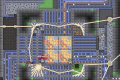

Crime Detective: Red Flags follows a young protagonist who becomes involved in an unofficial investigation while confined to his suburban home. The neighbourhood appears quiet at first, but certain behaviours draw his attention. Windows, porches and side yards become observation points where small inconsistencies begin to surface. The character’s isolation pushes him to focus on details that most residents overlook, creating a foundation for a slow but steady detective process.



Crime Detective: Red Flags
Advertisement

Advertisement







Daily Routine And Discovery
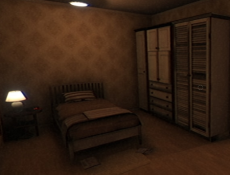
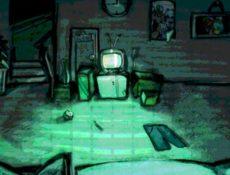
Each day in Crime Detective: Red Flags begins with short tasks inside the house and limited contact with neighbours. These tasks act as opportunities to gather fragments of information that later influence the investigation. As the player interacts with various objects or listens to conversations, new concerns emerge. The protagonist must decide which signs matter and which could be simple misunderstandings. Step by step, ordinary interactions shift into clues about deeper issues within the community.
Core activities during the investigation include:
- Observing unusual behaviour through windows or outdoor vantage points
- Checking household items that reveal indirect information
- Speaking with neighbours about routine matters that may hide clues
- Comparing new discoveries with notes from previous days
- Revisiting key locations to monitor changes over time
Progression And Suspicion
Crime Detective: Red Flags structures progression around recurring scenes that evolve gradually. Some neighbours begin avoiding interaction, while others display habits that contradict earlier behaviour. New objects appear in yards or on porches, raising questions about their origin. The game encourages players to revisit assumptions, as early impressions may prove incorrect. Over time, the combination of observations forms a pattern that suggests a hidden conflict or danger within the neighbourhood.
Interface And Player Tools
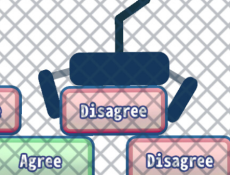
The interface highlights interactable objects, relevant sound cues and moments that require closer inspection. Dialogue prompts appear as the protagonist approaches people who may share useful information. Subtle changes in lighting or ambient noise indicate when important events occur. The notebook tool allows the player to track discoveries, compare statements and form hypotheses. Each feature supports the process of building a timeline and recognising how daily events connect to the broader mystery.
Comments (0)


2026
