











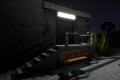
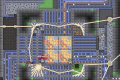

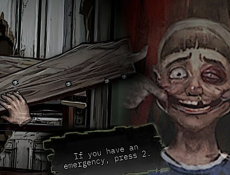
Cry Of Fear is a first-person survival horror game that takes place in a distorted urban environment. The player controls a character who navigates empty streets, buildings, and underground areas while trying to understand what is happening around him. The game focuses on exploration, limited resources, and environmental storytelling rather than action. Movement is slow and deliberate, and progress depends on careful observation rather than combat skill.



Cry Of Fear
Advertisement
Advertisement





Setting And Narrative Structure
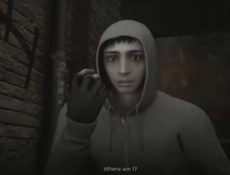
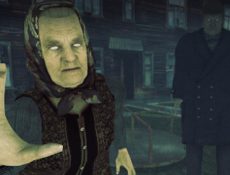
The game is set in a dark version of a modern city where familiar locations appear altered and unsettling. Streets lead into abandoned buildings, stairwells, and underground passages that connect in unexpected ways. The story is presented indirectly through notes, visual details, and changes in the environment rather than direct exposition. This structure encourages players to piece together events on their own, using clues scattered throughout the world to understand the situation and the character’s mental state.
Gameplay Systems And Interaction
Cry Of Fear uses a mix of exploration and limited combat to create tension. Weapons are scarce, ammunition is limited, and enemies are often difficult to avoid. The player must decide when to fight and when to move carefully through areas. Interaction with the environment plays a key role in progression. Common gameplay elements include:
- Exploring interconnected indoor and outdoor areas
- Managing limited ammunition and health items
- Solving simple environmental puzzles
- Reading notes to understand objectives
- Avoiding enemies when possible
These systems work together to create a steady pace where survival depends on planning rather than reflexes.
Sound Design And Atmosphere
Sound plays an important role in shaping the experience. Background noise, distant echoes, and sudden audio cues are used to indicate danger or changes in the environment. Music is used sparingly, allowing silence to create tension. Audio feedback often warns the player of nearby threats before they appear visually, making sound awareness a key part of survival. The overall audio design supports the feeling of isolation and uncertainty throughout the game.
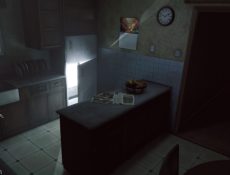
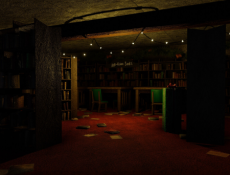
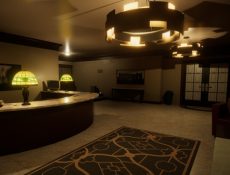
The visual style of Cry Of Fear focuses on narrow spaces, low lighting, and repetitive architecture. Environments are designed to feel familiar yet uncomfortable, often forcing the player to move through tight corridors or poorly lit rooms. Level layouts encourage backtracking, which increases tension as previously explored areas can change over time. The limited field of view and dark textures reinforce the sense of vulnerability during exploration.
Comments (0)


2026
