









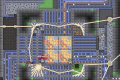
Deadlock is a multiplayer online game focused on team interaction, map control, and structured objectives. Each match places two teams in a shared environment divided into lanes, where progress depends on coordinated movement and controlled combat. Players select characters with predefined abilities and roles, which shapes how they contribute to the team. The primary objective is not based solely on eliminating opponents but on advancing through defensive structures and reaching the final enemy core. This structure encourages planning and role distribution from the start of each match.



Deadlock
Advertisement

Advertisement







Deadlock is a multiplayer online game focused on team interaction, map control, and structured objectives. Each match places two teams in a shared environment divided into lanes, where progress depends on coordinated movement and controlled combat. Players select characters with predefined abilities and roles, which shapes how they contribute to the team. The primary objective is not based solely on eliminating opponents but on advancing through defensive structures and reaching the final enemy core. This structure encourages planning and role distribution from the start of each match.
Gameplay Flow
At the beginning of a match, players spread across lanes and begin interacting with automated NPC units. These units advance toward enemy positions and serve as both pressure tools and resource sources. Defeating enemies and NPCs grants in-game currency, which is used to improve abilities or acquire upgrades. Movement systems allow players to switch lanes, support teammates, or retreat when necessary. Decisions made early in the match can influence control over the map and determine which team gains momentum.
Core Systems
The central systems in Deadlock operate at the same time and require constant attention. Combat relies on accurate aiming and correct ability usage, while objectives demand awareness of map state and timing. Players must divide attention between individual performance and team goals. The core structure of the game can be summarized as follows:
- Team-based matches with fixed player counts
- Lane-oriented maps with automated NPC units
- Resource collection tied to combat outcomes
- Upgrade paths that scale during the match
- Objective progression leading to a final core
These elements interact continuously and define the pace of each match.
Progression and Strategy
As matches progress, the impact of strategic decisions becomes more visible. Upgrades increase character effectiveness, while mistakes can lead to lost territory or prolonged respawn times. Teams must evaluate when to engage in fights and when to focus on structural objectives. Late-game situations often depend on coordination, positioning, and efficient use of resources. Small advantages gained earlier can translate into decisive control during later stages.
Development Context
Deadlock is developed with competitive structure and adaptability in mind. Testing phases are used to adjust balance, mechanics, and character roles based on player data. As a result, systems may evolve over time while maintaining the same core structure. The game emphasizes repeatable matches where understanding mechanics and teamwork directly affects results, making consistency and coordination key factors in long-term play.
Comments (0)


2026
