











Defuse The Bomb Izyplay is a puzzle game centered on controlled problem solving under constant time pressure. The player is presented with explosive devices that must be disarmed by following specific instructions displayed on the screen. Each level functions as a self-contained task where success depends on accuracy and correct sequencing rather than speed alone. The game places the player in a focused environment where every action has immediate consequences.



Defuse The Bomb Izyplay
Advertisement

Advertisement
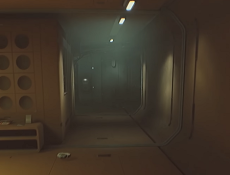






Defuse The Bomb Izyplay is a puzzle game centered on controlled problem solving under constant time pressure. The player is presented with explosive devices that must be disarmed by following specific instructions displayed on the screen. Each level functions as a self-contained task where success depends on accuracy and correct sequencing rather than speed alone. The game places the player in a focused environment where every action has immediate consequences.
Time Constraints And Decision Pressure
Every bomb in Defuse The Bomb Izyplay is paired with a visible countdown timer that runs continuously from the start of the level. This timer defines the rhythm of play and forces players to balance speed with caution. Acting too quickly can lead to mistakes, while taking too long can cause failure even if the logic is correct. Instructions are usually clear but require attention, as skipping a detail can invalidate the entire defusal process. The pressure created by the timer remains consistent throughout the game and shapes how players approach each task.
Inspection And Interaction Mechanics
Bombs are displayed as interactive objects that can be rotated freely, allowing the player to inspect all sides of the device. Components such as wires, buttons, switches, and indicators are placed around the bomb, and some steps depend on identifying specific visual features. The player must locate the correct elements before acting, as interacting with the wrong part immediately ends the level. This design encourages deliberate inspection rather than memorization or guessing.
During a typical level, the player repeatedly follows a clear and structured workflow:
- reading and interpreting the defusal instructions
- rotating the bomb to locate required components
- identifying visual details such as colors or labels
- performing actions in the correct sequence
- monitoring the countdown while completing steps
This loop remains constant while bomb layouts change.
Progression And Increasing Complexity
As the game progresses, bomb designs become more complex. Later levels may include additional components, longer instruction sequences, or steps that depend on multiple conditions. The game increases difficulty by reducing tolerance for error rather than adding new mechanics. Players are expected to apply the same core skills more efficiently, using experience to recognize patterns and avoid repeated mistakes.
Comments (0)


2026
