












Danganronpa Another Episode: Ultra Despair Girls is an action-oriented spin-off that places the player inside a continuous sequence of hostile environments rather than structured investigation scenes. The game is designed around forward momentum, where survival depends on navigating space, managing encounters, and responding to scripted threats. Progression is linear, and the experience emphasizes situational awareness over analytical deduction. This shift in format reframes the series’ narrative delivery through direct interaction instead of dialogue-driven problem solving.



Despair Girls
Advertisement

Advertisement







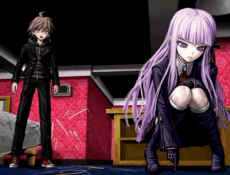
Level Construction And Environmental Logic
Each area is constructed as a controlled space with limited entry and exit points. Environmental obstacles and enemy placement are used to regulate player movement and pacing. Rather than open exploration, the design favors guided paths that ensure encounters occur in a specific order. Environmental interaction is often required to proceed, such as disabling hazards or unlocking routes, which ties progression directly to gameplay actions instead of story triggers.
Combat Flow And Player Limitations
Combat encounters are structured to be manageable but persistent. The player is not designed to overpower enemies quickly, and survival depends on understanding attack patterns and maintaining distance. Tools available to the player serve multiple purposes, combining offensive and interactive functions. Resource availability is intentionally constrained, reinforcing careful engagement rather than repeated confrontation.
Core combat considerations include:
- selecting appropriate tools for enemy types
- maintaining positioning within restricted spaces
- conserving limited resources across encounters
- recognizing when avoidance is preferable to combat
These factors encourage deliberate decision-making during each encounter.
Character Use And Mechanical Contrast
The primary playable character is designed with limited combat capability, reinforcing a defensive play style. A secondary character introduces a contrasting approach, offering short bursts of increased combat effectiveness. This contrast is temporary and context-dependent, preventing reliance on a single dominant strategy. Character interaction is woven into gameplay, providing narrative context without removing player control or interrupting flow.
Story Delivery And Pacing
Narrative elements are delivered alongside gameplay rather than separated into long cutscenes. Dialogue often occurs during movement or immediately after encounters, maintaining continuity between action and story. The chapter-based structure ensures steady pacing, with each segment resolving a localized conflict before transitioning to the next. The absence of branching outcomes keeps the narrative focused and consistent.
Comments (0)


2026
