












Double Panda is a cooperative platform game built around controlling two characters with different abilities inside compact, obstacle-filled levels. The core objective is to guide both pandas to the exit of each stage, which requires coordinated movement and correct use of character-specific skills. The game can be played solo by switching control between characters or in local cooperative mode with two players sharing the same device. Progress is level-based, with each stage presenting a self-contained challenge.



Double Panda
Advertisement

Advertisement


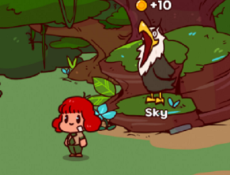







Double Panda is a cooperative platform game built around controlling two characters with different abilities inside compact, obstacle-filled levels. The core objective is to guide both pandas to the exit of each stage, which requires coordinated movement and correct use of character-specific skills. The game can be played solo by switching control between characters or in local cooperative mode with two players sharing the same device. Progress is level-based, with each stage presenting a self-contained challenge.
Dual-Character Design and Abilities
The gameplay of Double Panda is structured around the contrast between the two pandas. Each character interacts with the environment in a different way, which directly affects how puzzles are solved. One panda can access vertical paths and narrow spaces, while the other is better suited for heavier interactions and certain hazards. Levels are designed so that neither character can progress alone, making cooperation mandatory rather than optional.
Level Layout and Puzzle Structure
Levels combine traditional platforming elements with environmental puzzles. Players must observe the layout to understand which panda should move first and where cooperation is required. Doors, switches, keys, and movable objects are placed to enforce multi-step solutions. Timing also plays a role, as one panda may need to hold a position or activate an element while the other advances. The exit only becomes usable once both characters reach it safely.
In the middle stages of the game, players repeatedly perform actions such as:
- Switching control between pandas or coordinating movement
- Using unique abilities to access restricted areas
- Carrying or positioning one panda to reach higher platforms
- Collecting keys to unlock doors
These actions define the problem-solving flow of each level.
Controls and Cooperative Interaction
Controls in Double Panda are intentionally simple. Movement and jumping are handled with basic inputs, while character switching or separate control schemes enable cooperative play. In two-player mode, communication becomes essential, as uncoordinated movement can block progress or trigger hazards. The simplicity of controls shifts the challenge away from execution difficulty and toward planning and teamwork.
Difficulty Progression and Learning Curve
As players advance, levels gradually introduce more complex interactions rather than new mechanics. Obstacles become more layered, requiring longer action sequences and better coordination. There are no upgrades or power systems, so difficulty progression relies entirely on level design. Improvement comes from understanding how abilities interact and refining timing between characters.
Comments (0)


2026
