











DX-Ball 2 is a classic arcade game built around the brick-breaking format, where the player controls a paddle to keep a ball in play and remove blocks from the screen. Each level presents a fixed board layout that must be cleared to move forward. The objective is simple, but success depends on precise movement and consistent control. As the game progresses, the pace increases and board designs become more restrictive, requiring greater focus and accuracy from the player.



DX-Ball 2
Advertisement
Advertisement




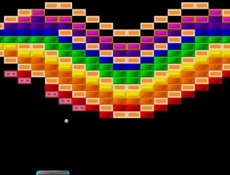
DX-Ball 2 is a classic arcade game built around the brick-breaking format, where the player controls a paddle to keep a ball in play and remove blocks from the screen. Each level presents a fixed board layout that must be cleared to move forward. The objective is simple, but success depends on precise movement and consistent control. As the game progresses, the pace increases and board designs become more restrictive, requiring greater focus and accuracy from the player.
Gameplay Mechanics And Player Control
The control system in DX-Ball 2 is limited to horizontal paddle movement, usually handled with a mouse or keyboard. Ball movement follows consistent physical rules, allowing skilled players to control angles and predict rebounds. Losing the ball results in the loss of a life, and clearing all breakable bricks completes the level. Some bricks require multiple hits, while others remain permanently on the board, shaping how the ball travels. This structure places full responsibility on the player’s positioning and timing rather than on complex inputs.
Level Design And Difficulty Growth
Levels in DX-Ball 2 are grouped into board sets, each containing multiple stages with different layouts. Early boards allow more space for error, while later ones reduce open areas and increase ball speed. The difficulty curve is steady and intentional, teaching players to react faster and plan ball paths more carefully. Level variety is created through brick placement rather than rule changes, which keeps the experience consistent across all stages.
During the middle of gameplay, players regularly deal with the following elements:
- bricks that require repeated hits to destroy
- indestructible blocks that redirect ball movement
- falling modifiers released after brick destruction
- situations with multiple balls active at once
- limited reaction time due to faster ball speed
These elements increase challenge without altering the core mechanics.
Power-Ups And Player Decisions
Power-ups are introduced as falling items that appear after certain bricks are destroyed. Some power-ups increase paddle width or add extra balls, while others reduce control by shrinking the paddle or increasing speed. Players are not required to collect every power-up, which introduces decision-making into otherwise reactive gameplay. Choosing whether to catch or avoid a modifier can determine the outcome of a level, especially when several balls are already in play.
Comments (0)


2026
