














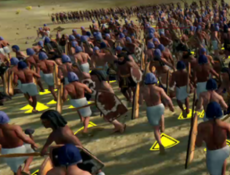
Egyptian War is a strategy game set in a historical environment inspired by ancient Egypt. The player takes control of a faction and manages military forces, resources, and territorial expansion. Gameplay focuses on planning rather than fast reactions, with an emphasis on positioning, unit selection, and long-term development. Battles and decisions are connected to resource availability, making preparation as important as direct confrontation.



Egyptian War
Advertisement
Advertisement










Egyptian War is a strategy game set in a historical environment inspired by ancient Egypt. The player takes control of a faction and manages military forces, resources, and territorial expansion. Gameplay focuses on planning rather than fast reactions, with an emphasis on positioning, unit selection, and long-term development. Battles and decisions are connected to resource availability, making preparation as important as direct confrontation.
Core Gameplay And Strategic Flow
At the foundation of Egyptian War is a structured strategic loop. Players gather resources, develop their base, and prepare armies before engaging enemies. Movement and combat are usually grid-based or area-based, requiring careful consideration of terrain and unit placement. Each decision influences future options, as losses and resource spending affect overall strength. Progress is achieved through steady expansion and controlled engagements rather than quick victories.
Units, Armies, And Tactical Choices
The game features multiple unit types with distinct roles on the battlefield. Infantry, ranged units, and specialized forces are used together to create balanced formations. Choosing when to attack or defend depends on both army composition and environmental conditions. Tactical depth comes from understanding how units interact and how positioning changes outcomes during conflicts.
In the middle of gameplay, players often manage:
- Training and upgrading military units
- Positioning armies for offense or defense
- Allocating resources between economy and warfare
- Responding to enemy movements and threats
Economy And Resource Management
Resource management plays a central role in Egyptian War. Players must collect materials needed to support armies and expand territory. Overextending military forces without sufficient economic support can weaken progress. Balancing production, storage, and spending ensures that armies remain effective over time. This system encourages careful planning instead of constant aggression.
Map Design And Territorial Control
Maps are designed with strategic points that influence movement and defense. Control over key locations can provide economic or tactical advantages. Expanding territory requires securing borders and protecting supply routes. Terrain features such as rivers or narrow passages affect how battles unfold, rewarding players who adapt their strategy to the environment.
Egyptian War offers replay value through varied strategic approaches rather than changing mechanics. Different opening decisions can lead to distinct outcomes, even on the same map. There is no single optimal strategy, as success depends on adapting to available resources and enemy behavior. Over time, engagement is maintained through refining tactics, improving decision-making, and exploring alternative paths to dominance rather than completing fixed objectives.
Comments (0)


2026
