












Emily Wants To Play is a first-person survival game in which the player becomes trapped inside a suburban house during a late-night delivery. The experience begins with a simple task of dropping off food, but the situation changes once the door closes and the interior reveals signs that something unusual is happening. The player must move through the rooms, observe their layout, and prepare for a sequence of encounters that unfold as time progresses. The objective is to remain inside the house until morning without being caught by Emily or the dolls that accompany her.



Emily Wants To Play
Advertisement
Advertisement







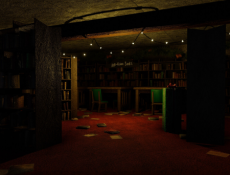

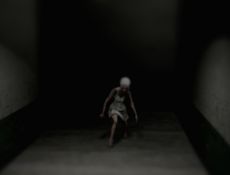
Emily Wants To Play is a first-person survival game in which the player becomes trapped inside a suburban house during a late-night delivery. The experience begins with a simple task of dropping off food, but the situation changes once the door closes and the interior reveals signs that something unusual is happening. The player must move through the rooms, observe their layout, and prepare for a sequence of encounters that unfold as time progresses. The objective is to remain inside the house until morning without being caught by Emily or the dolls that accompany her.
Hour-Based Structure
The game divides its events into hourly segments, with each in-game hour introducing new rules and challenges. At first, the house is quiet, allowing the player to explore freely, open doors, and inspect objects on tables or shelves. As the clock advances, different dolls activate and begin interacting with the environment. Each character follows a distinct behavior pattern that the player must learn and counter. These time-based shifts create a rhythm in which exploration gradually transforms into survival-focused decision-making.
Core Mechanics And Encounters
Emily Wants To Play uses several systems that determine how the player must react to threats:
- Distinct behavior patterns for each doll
- Audio cues that signal incoming encounters
- Movement and visibility rules linked to survival
- Environmental clues that reveal strategies
- A reset system that restarts the hour after failure
Together, these mechanics form a structure where the player must interpret hints and adapt responses to match the creature currently active.
Player Strategies And Observation
Success in Emily Wants To Play depends on recognizing which character is present and responding appropriately. Some encounters require the player to avoid looking directly at a doll, while others demand holding still or leaving a room immediately. The house layout becomes an essential part of navigation, as players must learn safe routes and identify areas that offer enough visibility to react to threats. Notes and scattered messages hint at past events connected to Emily, encouraging the player to piece together context while managing survival tasks.
Final Hours And Completion
The final stretch of the game challenges the player with overlapping threats, requiring quick interpretation of sounds and movements. Each encounter grows more demanding as multiple dolls may appear in close succession. The goal is to endure until 6 a.m. and reach the exit once the house unlocks itself. Because success relies on mastering each behavior pattern, repeated attempts are part of the experience, allowing the player to refine timing and movement. Emily Wants To Play maintains its structure through consistent rules that reward observation, patience, and adaptation.
Comments (0)


2026
