












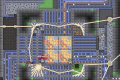

Fighting Tiger is an action-oriented fighting game built around close-quarters combat and movement control. The gameplay structure emphasizes physical encounters where players rely on attack combinations, defensive actions, and positioning strategies. Instead of focusing on narrative progression, the game centers on mechanical execution and combat efficiency. Players advance through a sequence of engagements that test reaction timing and control precision.



Fighting Tiger
Advertisement

Advertisement




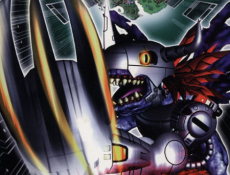





Fighting Tiger is an action-oriented fighting game built around close-quarters combat and movement control. The gameplay structure emphasizes physical encounters where players rely on attack combinations, defensive actions, and positioning strategies. Instead of focusing on narrative progression, the game centers on mechanical execution and combat efficiency. Players advance through a sequence of engagements that test reaction timing and control precision.
Movement And Combat Dynamics
The core interaction model in Fighting Tiger is based on character mobility and direct combat. Players control a fighter capable of performing strikes, combos, and evasive maneuvers. Movement mechanics influence how attacks are delivered and avoided. Proper positioning allows players to manage engagement distance and reduce vulnerability to counterattacks.
Combat sequences are driven by input timing and situational awareness. Enemies typically operate with defined attack behaviors, requiring players to adapt movement and response strategies. Success depends on coordinating offensive actions with defensive adjustments rather than relying solely on aggression.
Core Gameplay Systems
Fighting Tiger integrates several mechanics that shape its combat structure:
- Combo-based attack execution
- Character navigation and repositioning
- Defensive actions such as blocking or dodging
- Sequential enemy encounters
- Progressive difficulty adjustments
These systems collectively define gameplay flow.
Enemy Behavior And Challenge Structure
Progression in Fighting Tiger is structured through a series of combat encounters. Each stage introduces opponents with varying attack patterns and response timing requirements. Difficulty scaling increases reaction demands and requires more precise control execution. Players must observe enemy behavior to anticipate attacks and respond efficiently.
Encounters emphasize continuous engagement. Delays or miscalculations often result in immediate penalties. This design reinforces learning through repetition, encouraging players to refine timing accuracy and movement decisions.
Tactical Decision-Making
Despite straightforward mechanics, Fighting Tiger requires tactical evaluation during fights. Players must determine when to initiate combos, when to evade, and when to maintain defensive posture. Overcommitting to attacks may increase exposure to enemy strikes. Controlled pacing and awareness of opponent movement improve survival and effectiveness.
Strategic movement is critical. Repositioning helps avoid damage and creates opportunities for counterattacks. Combat efficiency emerges from balancing aggression with control stability.
Gameplay Loop And Replayability
Fighting Tiger functions as a skill-based action game where replayability is driven by mechanical mastery. Players may revisit encounters to improve execution, test alternative attack sequences, or enhance defensive precision. The gameplay loop emphasizes reaction control, timing refinement, and adaptation to evolving combat scenarios within a structured sequence of fights.
Comments (0)


2026
