








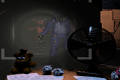


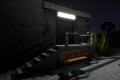
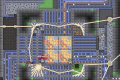
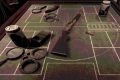
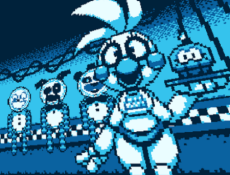
Five Nights at Frickbears 3 is a survival-focused horror game where the player is assigned to oversee security operations during a series of night shifts. The gameplay is built around managing multiple systems while tracking hostile animatronic movement across different areas. Each night increases in complexity, introducing new conditions that change how the player must respond. The objective remains consistent: survive until the end of the shift by preventing intrusions.



Five Nights at Frickbear’s 3
Advertisement
Advertisement


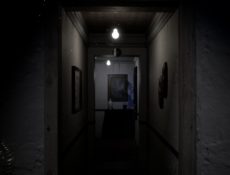


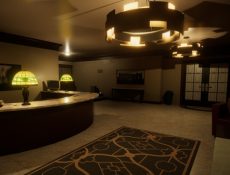
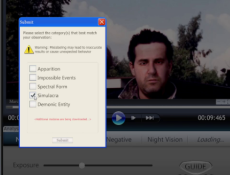
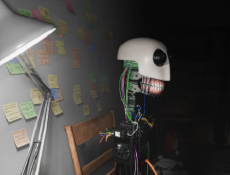


Five Nights at Frickbears 3 is a survival-focused horror game where the player is assigned to oversee security operations during a series of night shifts. The gameplay is built around managing multiple systems while tracking hostile animatronic movement across different areas. Each night increases in complexity, introducing new conditions that change how the player must respond. The objective remains consistent: survive until the end of the shift by preventing intrusions.
Monitoring And System Control
The player interacts with a central control interface that provides access to cameras, doors, and other defensive tools. Each system has limitations, which forces the player to prioritize actions. Overuse of one function may leave other areas unprotected.
The game encourages a structured approach. Players must check locations, react to movement, and decide when to intervene. Efficient monitoring reduces risk, but constant switching between systems can create gaps in awareness.
Threat Types And Behavior
Enemies differ in how they approach the player. Some rely on direct movement through corridors, while others use indirect methods such as disabling systems or appearing unpredictably. This variation requires different defensive responses.
- Distinct enemy patterns requiring specific reactions
- Movement tracked through camera systems
- Indirect threats affecting equipment
- Limited reaction time in critical situations
- Increasing pressure with additional mechanics
Environment And Night Progression
The playable area includes multiple interconnected rooms that must be monitored simultaneously. As nights progress, additional zones become active, expanding the scope of control. This increases the number of potential threats and reduces safe areas.
Progression is linear in structure but dynamic in execution. The same night can unfold differently depending on player decisions and timing. Small mistakes may accumulate, affecting later stages of the shift.
Interface And Sensory Design
The interface is minimal, displaying only essential data such as camera feeds and system status. This design keeps the player focused on decision-making rather than navigation through menus.
Sound design is used to signal important events. Mechanical noises, sudden audio cues, and changes in background sound provide indirect information about enemy activity. These cues often require interpretation rather than direct confirmation.
Comments (0)


2026
