











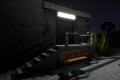
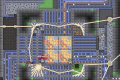
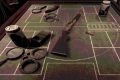
Five Nights at Frickbears 4 shifts the gameplay toward close-range defense, where the player must manage threats without relying on extended surveillance systems. The setting is limited to a small interior space with several entry points that require constant attention. Instead of monitoring distant movement, the player reacts to immediate danger, making each moment dependent on quick interpretation of signals. The structure is built around consecutive nights that gradually introduce more demanding conditions.



Five Nights at Frickbear’s 4
Advertisement

Advertisement
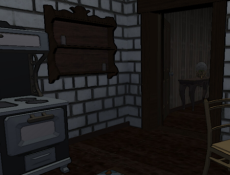
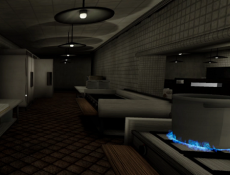

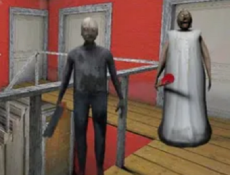
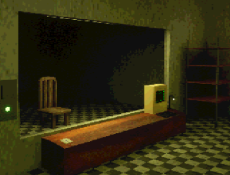


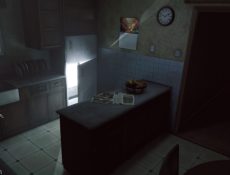
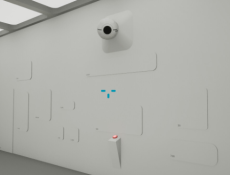

Five Nights at Frickbears 4 shifts the gameplay toward close-range defense, where the player must manage threats without relying on extended surveillance systems. The setting is limited to a small interior space with several entry points that require constant attention. Instead of monitoring distant movement, the player reacts to immediate danger, making each moment dependent on quick interpretation of signals. The structure is built around consecutive nights that gradually introduce more demanding conditions.
Core Loop And Player Behavior
The gameplay loop is based on repeating actions such as checking entrances, using light, and reacting to audio cues. These actions are simple in execution but require accuracy in timing. Players must follow a consistent routine while remaining flexible enough to respond to unexpected changes.
There is no pause between threats, which forces continuous focus. The player cannot rely on passive observation and must actively engage with the environment at all times. This creates a steady pressure that defines the overall experience.
Threat Logic And Response
Each animatronic follows a specific logic that determines how it approaches the player. Some move directly toward entry points, while others rely on indirect behavior or delayed attacks. Recognizing these patterns is necessary for survival.
- Distinct movement rules for each enemy
- Reliance on sound for early detection
- Immediate failure on incorrect reactions
- Combined behaviors in later nights
- Increasing speed and complexity over time
Layout And Spatial Awareness
The environment is compact, which reduces the distance between the player and incoming threats. Multiple entry points must be monitored without full visibility, requiring constant movement between positions.
As nights progress, the same layout becomes more demanding due to added mechanics. Familiar spaces no longer guarantee safety, and players must adjust their approach as new elements are introduced.
Replayability And Execution
Replayability is centered on improving execution rather than discovering new content. Players repeat nights to refine timing, reduce errors, and better understand enemy behavior.
The game rewards consistency and precision. Progress depends on the ability to maintain control under pressure and apply learned patterns effectively across multiple attempts.
Comments (0)


2026
