











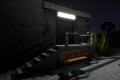
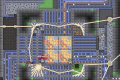
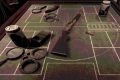
Forgotten at Fredbears is a horror game focused on observation, survival, and gradual story discovery. The player takes the role of a night employee working inside an abandoned family restaurant that once operated as an entertainment venue. The building is quiet at first, but unusual activity begins to appear as each night progresses. The game does not allow free movement, instead placing the player in a fixed position where attention and timing are essential. Progress depends on understanding patterns, reacting to changes, and surviving until morning while uncovering details about the location’s past.



Forgotten at Fredbears
Advertisement

Advertisement






Environment And Atmosphere
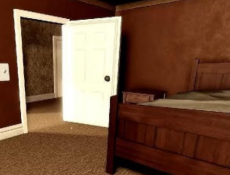
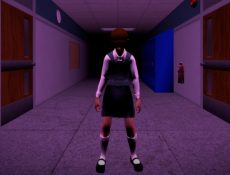
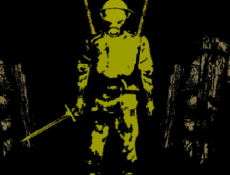
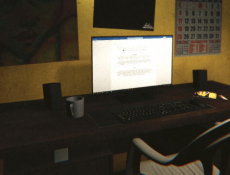
The setting plays a central role in shaping the experience. Most of the game takes place inside a dark control area connected to other rooms through camera systems and limited interaction points. The environment feels static, yet subtle changes occur as nights pass, creating a sense of unease. Sounds, lighting shifts, and visual interruptions suggest movement beyond the player’s view. Rather than relying on sudden action, the game builds tension through anticipation and uncertainty. The lack of direct control over the environment forces the player to rely on observation and careful decision-making.
Gameplay Structure And Core Tasks
Gameplay in Forgotten at Fredbears is based on monitoring systems and reacting to threats at the right moment. The player must divide attention between multiple elements while conserving limited resources. Core activities include:
- Watching security cameras to track movement
- Listening for audio cues that indicate danger
- Activating defensive tools when required
- Managing limited systems during each night
- Completing objectives to progress the story
Each night introduces new mechanics or variations, gradually increasing difficulty. The game rewards patience and awareness rather than fast reactions.
Narrative And Progression
The story unfolds slowly through environmental clues, short sequences, and changes in gameplay behavior. The player’s role and connection to the location become clearer as more nights are completed. Information is not presented directly; instead, the player must interpret events and piece together the background through observation. This approach encourages careful attention to details and supports multiple playthroughs, as certain elements may be missed during the first run.
Comments (0)


2026
