











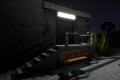
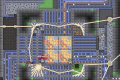
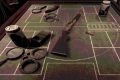
Fred And Pals is a game centered on observation, timing, and controlled decision-making. The player is placed in a closed environment and given responsibility over what happens during a night shift. There is no direct exploration or combat; instead, progress depends on how well the player understands the rules of the space and reacts to changes. The game relies on a steady pace and limited interaction, allowing tension to build naturally through repetition and uncertainty rather than action-heavy sequences.



Fred and Pals
Advertisement

Advertisement
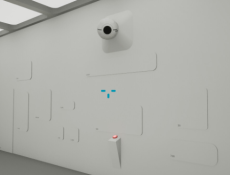
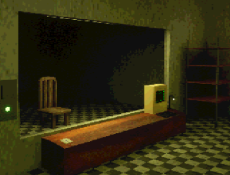
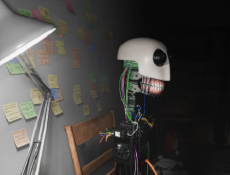



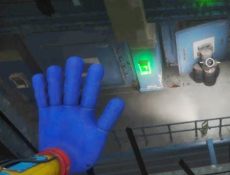
Shift Structure and Player Role
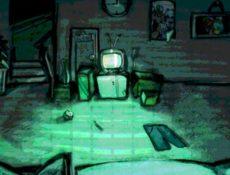
Each session follows a consistent structure. The player remains in a fixed position and monitors different areas of the building through a camera system. Information is limited, so attention becomes the most important resource. The player must observe movement, recognize patterns, and decide when to act. The design encourages restraint, as excessive interaction can drain resources or lead to mistakes. Over time, players learn that patience is just as important as awareness.
Systems and Decision Flow
As the night progresses, the player is required to manage multiple elements at once. Power usage, camera access, and timing all play a role in survival. The challenge does not come from speed but from understanding how systems interact. The game avoids giving clear instructions, instead allowing the player to learn through repeated attempts. This creates a sense of responsibility, as every action has a direct effect on how the night unfolds.
During a typical shift, the player focuses on:
- Monitoring camera feeds
- Tracking movement across locations
- Managing limited system resources
- Choosing when to observe or wait
- Reaching the end of the night safely
Escalation and Adaptation
With each new night, the difficulty increases in subtle ways. Movement patterns change, reaction windows become shorter, and mistakes are less forgiving. The environment remains familiar, but the behavior within it evolves. This forces the player to adjust strategies rather than rely on routine. The tension comes from not knowing exactly when something will happen, only that it eventually will.
The game’s design emphasizes consistency rather than variety. By keeping the setting stable, it highlights small changes that might otherwise go unnoticed. Players begin to recognize patterns, anticipate outcomes, and refine their approach over time. Success depends less on reflexes and more on attention and judgment.
Comments (0)


2026
