



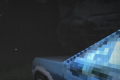



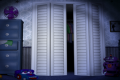
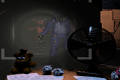


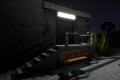
Freddy’s Reanimated is a survival horror game built around observation, timing, and controlled decision-making. The player takes the role of a night guard working inside a closed entertainment venue where mechanical characters roam after hours. The entire experience is centered on staying alive until morning by monitoring activity and reacting to threats at the right moment. There is no movement through the environment, which places full responsibility on awareness and reaction speed rather than exploration.



Freddy’s Reanimated
Advertisement
Advertisement




Surveillance And Core Structure
The main structure of Freddy’s Reanimated revolves around a security office connected to multiple camera feeds. The player must constantly switch between cameras to track enemy positions and predict their next movement. Each night becomes progressively harder, introducing faster behavior patterns and reduced reaction time. The challenge comes from balancing attention between multiple threats while managing limited defensive options. The lack of checkpoints increases pressure, making each mistake costly.
Gameplay Mechanics And Player Tasks
The gameplay is based on repetition and pattern recognition. Players must learn how each animatronic behaves and respond accordingly before it reaches the office. Actions must be timed precisely, as delayed reactions can lead to failure. The core mechanics involve:
- Monitoring security cameras
- Closing blinds or barriers at the correct moment
- Using light or sound tools to repel enemies
- Tracking movement patterns across rooms
- Managing limited time and attention
These systems work together to create tension through multitasking rather than combat.
Enemy Behavior And Escalation
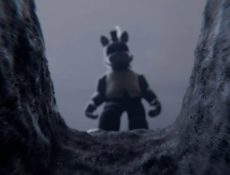
Each animatronic in Freddy’s Reanimated follows a specific movement logic. Some advance slowly and predictably, while others appear suddenly or change routes. As nights progress, enemies become more aggressive and less forgiving. The player must adapt quickly, learning new patterns and responding faster with fewer mistakes allowed. This escalation keeps the experience challenging and prevents reliance on a single strategy.
The visual presentation supports the sense of confinement and unease. Dark lighting, static-filled camera feeds, and minimal animation make it difficult to anticipate threats. The environment rarely changes, which forces players to rely on subtle visual cues. Sound design plays a major role, as audio signals often warn of danger before it appears on screen. Silence is used deliberately, making every noise more noticeable and unsettling.
Comments (0)


2026
