












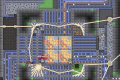

Gamelan is a music-based interactive game inspired by traditional ensemble performance systems. The game focuses on rhythm, timing, and coordination rather than competitive scoring. Players interact with virtual instruments that respond to input in real time, allowing them to build layered musical patterns. The experience is structured to highlight how individual sounds combine into a larger composition, encouraging attention to sequence and tempo instead of fast reactions.



Gamelan
Advertisement
Advertisement






Gamelan is a music-based interactive game inspired by traditional ensemble performance systems. The game focuses on rhythm, timing, and coordination rather than competitive scoring. Players interact with virtual instruments that respond to input in real time, allowing them to build layered musical patterns. The experience is structured to highlight how individual sounds combine into a larger composition, encouraging attention to sequence and tempo instead of fast reactions.
Core Gameplay And Interaction
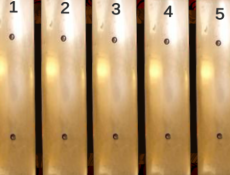
At the start of a session, players are introduced to a set of instruments arranged on the screen. Each instrument produces a specific sound and follows a rhythmic role within the overall structure. Interaction is usually based on tapping or activating elements in time with a repeating cycle. The game does not rush the player, allowing patterns to be learned gradually. Progress depends on maintaining rhythm and understanding how parts fit together.
Rhythm Structure And Musical Logic
Gamelan relies on cyclical rhythm rather than linear progression. Musical phrases repeat, with small changes introduced over time. Players are expected to recognize these cycles and add or adjust sounds at appropriate moments. Mistimed input does not usually end a session but alters the resulting pattern, which reinforces learning through listening. The focus remains on structure and repetition rather than challenge escalation.
In the middle of gameplay, players typically work with:
- Activating instruments within fixed rhythm cycles
- Layering sounds to form complete patterns
- Adjusting timing to match tempo changes
- Listening to feedback to correct input
Learning Curve And Player Guidance
The game introduces mechanics gradually, often starting with a limited number of instruments. Visual cues indicate when interaction is expected, reducing the need for written instructions. As more elements are added, players rely on audio feedback to maintain consistency. This approach supports learning by repetition and observation rather than explicit tutorials or scoring systems.
Visual Design And Audio Feedback
Visual elements in Gamelan are designed to reflect rhythm and timing. Animations often follow the beat, helping players anticipate input windows. The interface avoids clutter, keeping focus on instruments and cycles. Audio feedback is clear and immediate, making it easy to hear the effect of each action. Together, sound and visuals support understanding without relying on text.
Replay value comes from experimenting with different combinations and maintaining longer sessions. There are no strict endings, allowing players to stop and restart freely. Each session can sound different depending on timing and choices. Over time, players develop familiarity with patterns and improve coordination, making Gamelan an experience centered on repetition, listening, and gradual improvement rather than progression milestones.
Comments (0)


2026
