













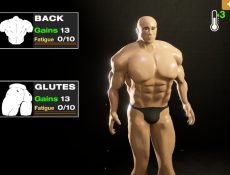
Get Yoked: Extreme Bodybuilding is a strategy-focused game that turns bodybuilding into a structured planning challenge. Instead of relying on reflexes or speed, the player must carefully manage training intensity, recovery, and long-term development. Each run represents a full preparation cycle where every decision influences the final outcome. The goal is to reach competition requirements without exhausting the character or mismanaging available resources.



GET YOKED: Extreme Bodybuilding
Advertisement
Advertisement








Core Gameplay Design
The game operates through a turn-based card system where each card represents a specific action. Training cards increase muscle growth, but also raise fatigue levels. Recovery cards reduce stress but take up valuable turns that could have been used for progress. This creates a constant tension between pushing forward and maintaining stability. Poor timing or overcommitment can lead to setbacks that are difficult to recover from later in the run.
As the session develops, players begin to see how early choices shape future possibilities. The deck gradually evolves, and inefficient cards can limit progress if not managed properly. The game rewards players who think ahead and plan their actions with long-term goals in mind rather than chasing short-term gains.
Midway through a run, the player typically works with several interconnected systems:
- Muscle growth through targeted training actions
- Fatigue control and recovery planning
- Deck refinement and card selection
- Competition requirements that guide progression
- Limited turns that define overall strategy
These mechanics form a loop where careful planning is more important than aggressive play.
Strategic Depth and Decision-Making
As challenges become harder, players must adapt their approach. Some strategies rely on gradual, stable improvement, while others aim for high output at the risk of failure. Because resources are limited, every decision carries weight. The game encourages players to learn from previous runs and refine their strategy rather than relying on luck or repetition.
Variety and Replayability
Different characters offer unique starting conditions, affecting how each run unfolds. This variation encourages experimentation and keeps gameplay from becoming predictable. Even when following similar strategies, outcomes can differ based on deck composition and decision timing, adding depth to repeated playthroughs.
Comments (0)


2026
