













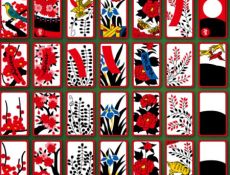
Go-Stop is a traditional Korean card game played with a deck of hanafuda-style cards called hwatu. The game centers on collecting sets of cards that match seasonal themes and scoring points based on completed combinations. Players take turns drawing and matching cards from the table, gradually building scoring sets while trying to prevent opponents from doing the same. The name Go-Stop refers to the choice players must make when reaching scoring thresholds: either stop the round to claim points or continue playing for the chance to earn more.



Go-Stop
Advertisement
Advertisement






Go-Stop is a traditional Korean card game played with a deck of hanafuda-style cards called hwatu. The game centers on collecting sets of cards that match seasonal themes and scoring points based on completed combinations. Players take turns drawing and matching cards from the table, gradually building scoring sets while trying to prevent opponents from doing the same. The name Go-Stop refers to the choice players must make when reaching scoring thresholds: either stop the round to claim points or continue playing for the chance to earn more.
Round Structure And Player Turns
A typical round in Go-Stop begins with each player receiving a set number of cards, while additional cards are placed face-up on the table. On a turn, a player selects a card from their hand and attempts to match it with one of the open cards. If the match is successful, both cards are added to the player’s collection area. If no match is available, the played card remains on the table. Afterward, the player draws a card from the deck and repeats the matching process. This rhythm continues until all cards have been played or a player ends the round by declaring a stop.
Core Components And Scoring
Several elements define the structure and scoring of Go-Stop:
- Seasonal card groups that form the basic collecting sets
- Special cards that provide bonus points
- A scoring threshold that allows players to declare a stop
- The option to continue playing for additional rewards
- Point adjustments based on opponents’ card totals
These features work together to create a balance between collecting, observing opponents, and making strategic decisions about when to end the round.
Strategy And Player Decisions
While luck influences which cards appear, Go-Stop also requires planning and attention to the table. Players must monitor which cards opponents are collecting and decide whether to block their progress or focus on building their own sets. The decision to continue or stop is central to the game’s tension. Continuing increases potential rewards but also gives opponents more opportunities to catch up or overtake the lead. Because scoring can shift quickly, players must evaluate the board state carefully before committing to either choice.
Replayability And Social Play
Go-Stop supports repeated play due to its mix of luck, strategy, and shifting card distribution. Each round develops differently based on the initial card layout and how players respond to emerging opportunities. The game is often played in groups and encourages interaction through its fast-paced turns and point adjustments. Over multiple rounds, players may adopt different strategies or adjust their approach based on opponent behavior. The combination of collecting, risk management, and social engagement keeps Go-Stop dynamic across many sessions.
Comments (0)


2026
