






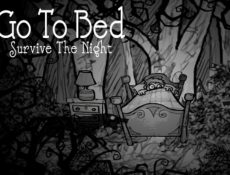
Go To Bed is a short horror game built around a simple routine that slowly becomes unsettling. The player is placed inside a small living space and asked to complete ordinary actions before going to sleep. At first, everything appears normal, but repeated attempts reveal changes in the environment and unexpected reactions to familiar tasks. The game relies on repetition and subtle variation, making the player question what is safe and what is not as each night progresses.



Go To Bed
Advertisement
Advertisement


Core Idea And Structure
The main concept of Go To Bed is based on performing everyday actions while the environment gradually shifts. There are no clear instructions or visible objectives, which forces the player to rely on observation and memory. Each playthrough follows the same basic structure, but the outcomes can differ depending on how actions are performed. The lack of explanation is intentional, encouraging players to learn through trial and error rather than guidance.
Gameplay Flow And Interaction
Gameplay revolves around interacting with objects inside the room before attempting to sleep. Actions are simple and familiar, but their order and timing can affect what happens next. The game does not rely on fast movement or complex controls, instead focusing on attention and awareness. Common actions include:
- Turning lights on or off
- Checking doors or windows
- Interacting with furniture
- Moving around the room
- Attempting to go to bed
These actions repeat across sessions, but their results may change, creating tension through uncertainty rather than direct threat.
Environment And Visual Design
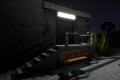
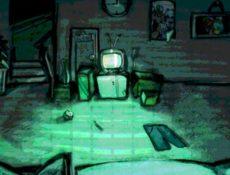
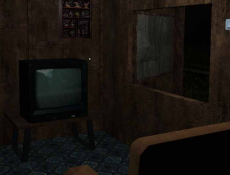
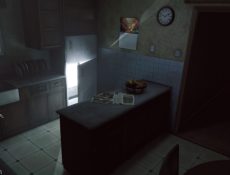
The environment in Go To Bed is intentionally limited to a small interior space. This restriction makes even minor changes feel significant. Lighting plays a major role, with shadows and darkness affecting how safe the room feels. Objects may appear slightly altered between attempts, encouraging players to notice details. The simplicity of the visuals allows the player to focus on atmosphere instead of navigation.
Sound And Psychological Pressure
Sound design is a key part of the experience. Quiet background noise, sudden audio cues, and moments of silence are used to create unease. The game avoids constant music, which makes small sounds more noticeable. Audio often serves as a warning that something has changed, even when the visual environment looks the same. This forces the player to rely on hearing as much as sight.
Comments (0)


2026
