










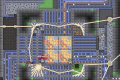
Gossip Harbor is a merge-based puzzle game structured around item combination, task completion, and environment restoration. The gameplay revolves around generating objects, merging identical elements, and using upgraded items to fulfill objectives. Progression is defined by a continuous loop of resource management and narrative advancement. Instead of isolated puzzle levels, the game operates as a system-driven simulation where mechanics interact over extended play sessions.



Gossip Harbor
Advertisement

Advertisement







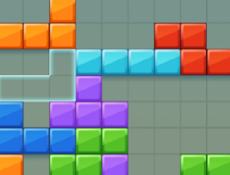


Gossip Harbor is a merge-based puzzle game structured around item combination, task completion, and environment restoration. The gameplay revolves around generating objects, merging identical elements, and using upgraded items to fulfill objectives. Progression is defined by a continuous loop of resource management and narrative advancement. Instead of isolated puzzle levels, the game operates as a system-driven simulation where mechanics interact over extended play sessions.
Item Generation And Merge Flow
The primary mechanic in Gossip Harbor involves merging matching items to create higher-tier objects. Players interact with generators that produce base resources, forming the foundation of the merge cycle. Each merge contributes to completing orders, which function as structured objectives within gameplay. Because board space is limited, players must evaluate which merges to prioritize and which items to retain.
Merge chains follow a hierarchical structure. Lower-tier items combine into progressively more valuable objects. Strategic planning becomes necessary to avoid board congestion and inefficiency. The pacing is influenced by generator output and task requirements rather than time-based pressure.
Core Gameplay Components
Gossip Harbor integrates several mechanics that shape player interaction:
- Merge-based item progression
- Generator activation and management
- Order fulfillment systems
- Board space optimization
- Renovation and upgrade mechanics
- Narrative event triggers
These systems collectively define progression.
Task Systems And Objectives
Orders operate as the central progression mechanism. Each task requires specific items, encouraging players to manage merges carefully. Completing objectives provides resources that support renovation systems and unlock additional content. The task structure introduces decision-making based on resource allocation and merge efficiency.
Players must balance immediate order fulfillment with long-term preparation. Generators produce items at varying rates, requiring optimization strategies. Efficient board management directly affects progression speed.
Renovation And Environment Interaction
Renovation mechanics connect puzzle systems with structural development. Earned resources are invested in restoring locations, unlocking areas, and modifying environments. Upgrades function as long-term goals that guide merge priorities. The renovation framework transforms merge activity into a broader progression system.
Resource expenditure introduces strategic trade-offs. Players choose between advancing structural upgrades or conserving assets for future tasks.
Comments (0)


2026
