












Gtag 2D is a movement-focused game that turns a simple tag concept into a fast two-dimensional experience. Instead of objectives or missions, the game places the player in a flat space where the only goal is to avoid being caught. From the start, the player must rely on positioning, distance, and timing rather than strategy systems or upgrades. Each run begins immediately and ends as soon as the player is tagged, keeping the experience direct and uninterrupted.



Gtag 2D
Advertisement
Advertisement






Gtag 2D is a movement-focused game that turns a simple tag concept into a fast two-dimensional experience. Instead of objectives or missions, the game places the player in a flat space where the only goal is to avoid being caught. From the start, the player must rely on positioning, distance, and timing rather than strategy systems or upgrades. Each run begins immediately and ends as soon as the player is tagged, keeping the experience direct and uninterrupted.
Movement As The Main Skill
The gameplay of Gtag 2D is centered entirely on movement control. The player navigates the space using basic directional input, but success depends on how smoothly and intentionally those movements are used. Because the game removes depth and vertical layers, mistakes are easier to notice and harder to recover from. There are no abilities, boosts, or power-ups to compensate for poor positioning. Every outcome is determined by how well the player manages space in real time.
Pressure Created By Simplicity
The play area in Gtag 2D is usually open and uncluttered, which removes distractions but increases pressure. With fewer environmental features, the player must rely on motion rather than hiding or waiting. Threats follow consistent behavior patterns, but their constant presence forces the player to stay active. This creates tension without using scripted events or complex rules, making awareness the most valuable skill.
During gameplay, players interact with elements such as:
- A flat two-dimensional movement area
- One or more entities attempting to tag the player
- Simple keyboard or touch controls
- Time-based survival tracking or scoring
These elements define the rhythm of each session.
Learning Without Progression Systems
Gtag 2D does not include levels, unlocks, or persistent progression. Each session is isolated, and nothing carries over after failure. Improvement comes from understanding spacing, predicting movement paths, and reducing unnecessary motion. Because mistakes reset the run instantly, players learn through repetition rather than instruction. This design encourages experimentation and quick adaptation instead of long-term planning.
Clear Visual Language
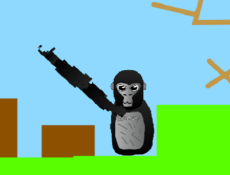
The visual design of Gtag 2D is minimal and functional. Characters and threats are easy to distinguish from the background, allowing players to react quickly. There are no complex effects or animations that interfere with readability. This simplicity supports fast gameplay and ensures the focus remains on movement rather than presentation.
Comments (0)


2026
