













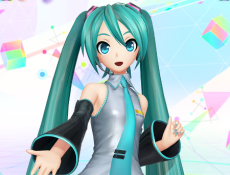
Hatsune Miku is a rhythm-based game series centered on timing, music interaction, and visual feedback. The gameplay is built around pressing inputs in sync with musical tracks while notes move across the screen according to the song’s rhythm. Each track follows a predefined chart that represents beats, tempo changes, and patterns. The main goal is to complete songs accurately, maintaining timing consistency from start to finish.



Hatsune Miku
Advertisement
Advertisement





Hatsune Miku is a rhythm-based game series centered on timing, music interaction, and visual feedback. The gameplay is built around pressing inputs in sync with musical tracks while notes move across the screen according to the song’s rhythm. Each track follows a predefined chart that represents beats, tempo changes, and patterns. The main goal is to complete songs accurately, maintaining timing consistency from start to finish.
Rhythm Mechanics And Player Input
Core gameplay in Hatsune Miku relies on reading visual cues and reacting at the correct moment. Notes appear on the screen and approach a target area, where the player must press the corresponding input in time. Accuracy is measured through timing windows, rewarding precise input while allowing minor errors. Difficulty levels adjust note density and pattern complexity, making the same song playable at different skill levels. Progress depends on pattern recognition and rhythm awareness rather than improvisation.
Song Library And Difficulty Structure
The game features a broad selection of music tracks, primarily focused on vocal performance supported by electronic arrangements. Each song includes multiple difficulty settings that change how charts are structured. Easier modes introduce simple rhythms, while higher difficulties require faster reactions and coordination. Replaying tracks helps players improve muscle memory and timing consistency.
In the middle of gameplay, players commonly focus on:
- Reading incoming note patterns
- Matching inputs to rhythm timing
- Maintaining combo consistency
- Adjusting to tempo changes within songs
Scoring And Performance Evaluation
Performance in Hatsune Miku is evaluated using a scoring system based on accuracy and combo length. Missed or late inputs reduce score and break combos, while consistent timing increases overall results. Scores encourage replay without forcing progression barriers. Rankings and performance summaries allow players to track improvement over time without altering core mechanics.
Visual Presentation And Customization
Visual elements in Hatsune Miku are synchronized with music and gameplay. Background animations, character movements, and interface effects react to rhythm and player input. Customization options often allow changes to character appearance or interface style without affecting gameplay balance. Visual clarity remains a priority, ensuring notes remain readable even during complex sections.
Replay Value And Skill Development
Replay value comes from mastering songs rather than unlocking new mechanics. Players often revisit the same tracks to improve accuracy or attempt higher difficulty modes. Skill development is gradual, built through repetition and familiarity with rhythm structures. Over time, players improve reaction speed and coordination, making Hatsune Miku a game series focused on consistent practice and timing control rather than progression systems or narrative completion.
Comments (0)


2026
