







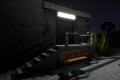
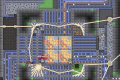
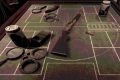
Haunted School Unblocked is a browser-based horror adventure game set inside an abandoned school building. The game places the player in a closed environment filled with dark corridors, locked rooms, and unexplained events. The objective is not clearly stated at the beginning, which encourages exploration and attention to detail. Movement is slow and deliberate, forcing players to observe surroundings carefully rather than rushing forward. The atmosphere is built around uncertainty, with progress depending on finding clues and understanding how the environment reacts to player actions.



Haunted School Unblocked
Advertisement
Advertisement

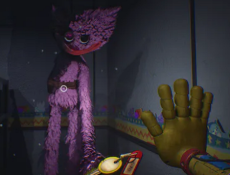


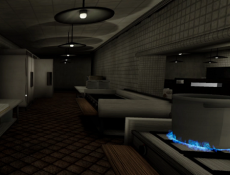
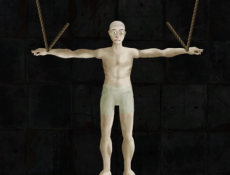
Exploration And Environment Design
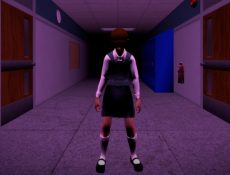
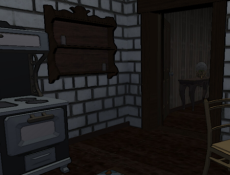
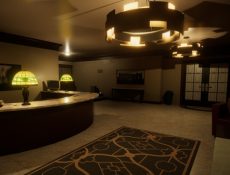
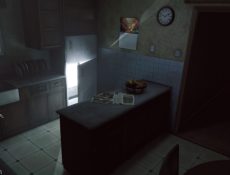
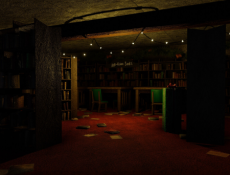
The school setting plays a central role in shaping the gameplay. Hallways, classrooms, and storage areas are arranged in a way that often leads the player in circles, increasing tension and confusion. Lighting is limited, making it difficult to see far ahead and encouraging cautious movement. Doors, objects, and pathways are used to guide progression without direct instructions. The environment itself becomes part of the challenge, as players must remember locations and recognize subtle changes that indicate where to go next.
Core Gameplay And Interaction
Haunted School Unblocked focuses on exploration and light puzzle-solving rather than combat. Players interact with objects to unlock new areas or trigger events that move the game forward. The controls are simple, allowing the player to focus on observation and decision-making. Progress depends on understanding how different elements connect rather than reacting quickly. Common gameplay elements include:
- Searching rooms for usable items
- Interacting with doors and switches
- Avoiding dangerous areas
- Following environmental cues
- Solving basic progression puzzles
These mechanics encourage patience and careful exploration instead of fast action.
Sound Design And Tension
Sound plays a major role in shaping the experience. Background noise, distant footsteps, and sudden audio cues are used to build tension without relying on constant visual threats. Silence is often used intentionally, making small sounds feel more noticeable. The audio design helps guide the player’s attention and signals when something in the environment has changed. This approach supports the overall atmosphere and keeps the player alert throughout the game.
Player Experience And Progression
Progression in Haunted School Unblocked is linear but not obvious. Players must piece together clues through trial and observation, often revisiting areas to unlock new paths. There are no tutorials or direct explanations, which makes discovery feel natural. The absence of combat mechanics shifts focus entirely to navigation and awareness. This structure rewards careful exploration and memory rather than reflexes.
Comments (0)


2026
