











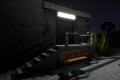

Hi What’s Your Emergency is a narrative-focused simulation game that places the player in the role of an emergency dispatcher. Sitting behind a desk with limited tools and no visual access to the scene, you become the first point of contact for people facing dangerous, confusing, and emotionally charged situations. Every call is unpredictable, and every decision can shape the outcome in ways that are not immediately visible.



Hi, What’s Your Emergency
Advertisement
Advertisement


Answering the Call
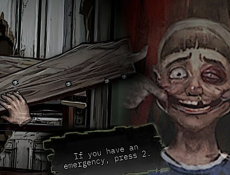
The core of the game revolves around answering incoming emergency calls and responding through dialogue choices. Callers may panic, lie, misunderstand their own situation, or struggle to explain what is happening. Your task is to listen closely, ask precise questions, and extract critical details under pressure. The game rewards patience and attention, punishing rushed conclusions or careless assumptions.
Unlike action-heavy simulations, the tension here comes from words and silence. A single missed detail or poorly phrased question can lead to delays, misallocated resources, or irreversible consequences. The game constantly reminds you that you are dealing with real people, not scripted checklists.
Decision-Making Under Pressure
As the story progresses, situations grow more complex. Multiple emergencies can overlap, resources become limited, and not every problem has a clean solution. You may need to decide which units to dispatch first, whether a situation qualifies as a true emergency, or how to handle a caller who refuses to cooperate. These decisions are rarely framed as clearly right or wrong.
The game tracks your choices across shifts, allowing consequences to surface later through follow-up calls, internal reports, and public outcomes. What seems like a minor judgment call early on can return hours later with unexpected results, forcing you to reflect on your earlier decisions.
Atmosphere and Presentation
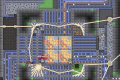
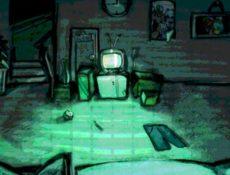
Hi What’s Your Emergency uses a restrained visual style to maintain immersion. Interfaces are functional, maps are abstract, and the focus remains on communication rather than spectacle. The sound design plays a major role, using distant sirens, muffled voices, and moments of silence to heighten stress and realism.
This minimalist approach leaves much of the action to the player’s imagination. You never see the emergencies directly, which makes each call feel more personal and unsettling. The lack of visual confirmation increases uncertainty and reinforces the emotional weight of your role.
Evolving Narrative Paths
The narrative adapts to how you play. Some callers may reappear later, their situations changed by your earlier actions. Others may vanish entirely, leaving you to wonder what happened after the line went dead. Internal evaluations and story fragments gradually build a larger picture of the system you operate within, including its flaws, pressures, and moral gray areas.
Replayability is a key strength. Different dialogue styles, priorities, and risk assessments lead to distinct story paths and endings. The game encourages experimentation, showing how varied approaches can shape both individual lives and the broader emergency response environment.
The Human Cost of the Job
Beyond mechanics and structure, the game explores the psychological strain of being the first voice someone hears in a crisis. You carry the weight of responsibility without the closure of seeing outcomes firsthand. Stress accumulates, mistakes linger, and success often feels quiet rather than triumphant.
Hi What’s Your Emergency is a slow-burning, thoughtful experience that focuses on empathy, judgment, and the unseen impact of critical decisions. It offers a grounded look at emergency response, emphasizing that sometimes the most powerful action is knowing what to say, when to say it, and when silence itself carries meaning.
Comments (0)


2026
