










Homework is a short first-person interactive horror game structured around domestic routine and controlled environmental interaction. The player assumes the role of a young child whose central task is completing school assignments. The experience is designed with minimal mechanical complexity, focusing instead on movement, object use, and observation. All gameplay events take place within a confined apartment setting, which establishes both the narrative context and the physical limits of player activity. Progression is guided by task execution and environmental feedback.



Homework
Advertisement

Advertisement

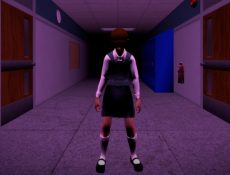
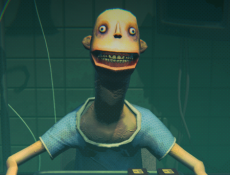



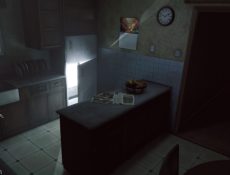


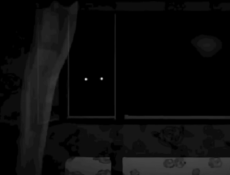
Homework is a short first-person interactive horror game structured around domestic routine and controlled environmental interaction. The player assumes the role of a young child whose central task is completing school assignments. The experience is designed with minimal mechanical complexity, focusing instead on movement, object use, and observation. All gameplay events take place within a confined apartment setting, which establishes both the narrative context and the physical limits of player activity. Progression is guided by task execution and environmental feedback.
Gameplay Premise And Role Structure
The scenario presents a clearly defined objective tied to everyday responsibility. The player navigates a home environment while performing homework-related actions. Narrative context is communicated through visual details, object placement, and situational cues rather than extensive dialogue. The child’s role remains consistent throughout the experience, reinforcing the connection between routine tasks and unfolding events. As gameplay advances, subtle shifts in environmental conditions introduce tension within the structured framework.
Interaction Systems And Environmental Logic
Gameplay relies on accessible controls and direct interaction mechanics. Movement between rooms, examination of objects, and completion of simple tasks form the primary gameplay loop. The apartment layout functions as an active system influencing pacing and navigation. Key interaction elements include:
- Exploring the confined environment
- Engaging with interactive objects
- Executing homework-related sequences
- Monitoring contextual changes
These mechanics emphasize situational awareness rather than reflex-based challenges.
Progression Model And Behavioral Influence
Homework incorporates variability through player-driven progression. Task completion patterns and interaction choices affect how events develop. The game does not use traditional performance indicators such as scoring or difficulty levels. Instead, narrative sequences respond dynamically to player behavior. Small deviations in actions or priorities can produce different outcome paths. This structure encourages players to evaluate how decisions influence environmental responses.
Structural Emphasis And Conceptual Direction
The design prioritizes clarity, logical consistency, and pacing control. Visual presentation supports comprehension of space and objectives while maintaining a focused interaction model. Conceptually, Homework examines themes associated with responsibility, domestic pressure, and perception of routine activities under psychological stress. By framing gameplay around ordinary tasks within a restricted setting, the game demonstrates how tension can emerge from context, progression logic, and behavioral interpretation rather than mechanical intensity.
Comments (0)


2026
