












Hoop Land 2 is a basketball simulation game that combines on-court gameplay with team management systems. The player controls a basketball team and participates in matches that follow the structure of professional leagues. Each game requires players to coordinate offense and defense while managing the roster outside of matches. The objective is to improve the team’s performance, win games during the season, and compete successfully against other teams in the league.



Hoop Land 2
Advertisement
Advertisement






Hoop Land 2 is a basketball simulation game that combines on-court gameplay with team management systems. The player controls a basketball team and participates in matches that follow the structure of professional leagues. Each game requires players to coordinate offense and defense while managing the roster outside of matches. The objective is to improve the team’s performance, win games during the season, and compete successfully against other teams in the league.
Basketball Matches And Player Control
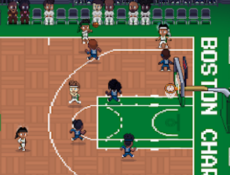
During matches in Hoop Land 2, the player directly controls athletes on the court. Movement, passing, and shooting are handled through simple control inputs that allow players to perform actions quickly. Offensive play focuses on finding open teammates, creating space near the basket, and choosing the right moment to attempt a shot.
Defensive play requires careful positioning and timing. Players must block opponents, intercept passes, and prevent easy scoring opportunities. Because the game simulates a full basketball match structure, teams compete across multiple quarters where each possession can influence the final score.
Team Management And Strategy
Outside of matches, Hoop Land 2 includes management elements that affect long-term performance. The player can organize the roster, adjust player positions, and decide how athletes are used during games. Managing these elements is important because player abilities influence both offensive and defensive effectiveness.
Typical management and gameplay actions include:
- selecting players for the team roster
- organizing positions and match rotations
- passing and shooting during offensive plays
- defending the basket and intercepting opponents
- tracking team performance across the season
These systems allow players to control both strategic planning and direct gameplay.
League Progression And Season Structure
Hoop Land 2 includes a league system where teams compete across a full season. Each victory contributes to the team’s standing within the league rankings. As the season progresses, opponents become more competitive, which requires better coordination during matches and stronger roster decisions.
Performance during the regular season determines whether a team qualifies for playoff stages. Reaching the playoffs allows players to compete in elimination rounds where each match becomes more important for advancing toward the championship.
Comments (0)


2026
