












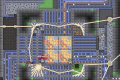

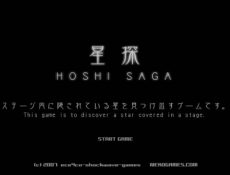
Hoshi Saga is a puzzle game built around observation, logic, and attention to detail. Instead of relying on traditional mechanics such as timers or scores, the game challenges players to find a hidden star within each level. Every stage presents a different visual or logical trick, requiring players to think creatively rather than follow fixed rules. The simplicity of the concept hides a deeper layer of problem-solving that becomes more complex as the game progresses.



Hoshi Saga
Advertisement
Advertisement



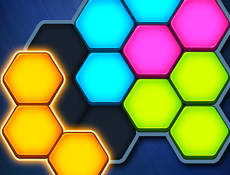
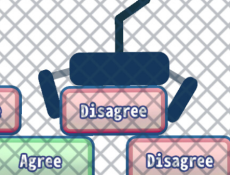
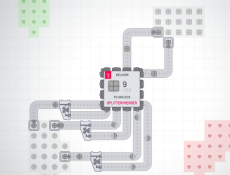
Core Concept And Puzzle Design
The main idea of Hoshi Saga is to locate a single hidden star in each stage. The star may be concealed through visual illusion, interaction, or unconventional placement. Players are not given instructions, which encourages experimentation and careful observation. Some levels require clicking specific areas, while others demand interpreting shapes or patterns on the screen. The lack of guidance makes each solution feel discovered rather than taught, reinforcing the game’s exploratory nature.
Gameplay Mechanics And Interaction
Hoshi Saga uses very simple controls, usually involving clicking or tapping. However, the simplicity of input contrasts with the complexity of the puzzles themselves. Each level operates under its own logic, and what works once may not apply again. The player must analyze the screen, test assumptions, and observe reactions. Common actions during gameplay include:
- Searching for visual inconsistencies
- Interacting with objects or shapes
- Interpreting visual clues
- Testing different screen areas
- Rethinking previous assumptions
These mechanics create a steady mental challenge that relies on reasoning rather than speed.
Progression And Difficulty Curve
The game introduces puzzles gradually, allowing players to understand the core idea before increasing difficulty. Early stages are straightforward, while later ones require abstract thinking or pattern recognition. Difficulty grows through misdirection rather than complexity, forcing players to question what they see. Progression feels natural because each solved puzzle teaches a new way of thinking that becomes useful later.
Hoshi Saga uses minimalistic visuals with clean shapes and limited color palettes. This design choice keeps attention focused on the puzzle rather than decoration. Animations are subtle and only appear when relevant to solving a level. The lack of distractions supports the game’s logic-driven structure and allows players to concentrate fully on the task at hand.
Comments (0)


2026
