



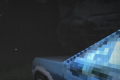



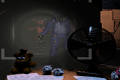


I Am Cat VR is a virtual reality simulation game where the player experiences everyday situations from the perspective of a house cat. Instead of controlling a human character, the player moves through rooms, furniture, and objects at the scale and mobility of a small animal. The game focuses on exploration, interaction with the environment, and playful behavior typical for cats. Players use VR motion controls to walk, jump, grab objects, and manipulate items around the house.


I Am Cat VR
Advertisement
Advertisement




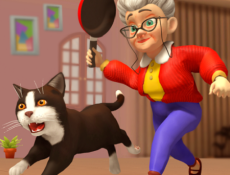
I Am Cat VR is a virtual reality simulation game where the player experiences everyday situations from the perspective of a house cat. Instead of controlling a human character, the player moves through rooms, furniture, and objects at the scale and mobility of a small animal. The game focuses on exploration, interaction with the environment, and playful behavior typical for cats. Players use VR motion controls to walk, jump, grab objects, and manipulate items around the house.
Living From A Cat’s Perspective
In I Am Cat VR, the entire environment is designed to match the viewpoint and abilities of a domestic cat. The player explores indoor spaces such as kitchens, living rooms, and bedrooms while interacting with objects placed throughout the house. Because the character is small and agile, furniture, tables, and shelves become obstacles or climbing opportunities.
Movement plays a major role in the experience. Players can jump onto counters, push items off surfaces, or crawl into tight spaces that would normally be ignored in a human-scale game. These mechanics simulate typical cat behavior and allow players to experiment with how the environment reacts to their actions.
Exploring The House Environment
Each room in the house contains interactive objects that respond to the player’s actions. Cups, books, plants, and other everyday items can be touched, pushed, or knocked over. The game encourages curiosity by placing small details throughout the environment that react to the cat’s presence.
Typical actions players perform include:
- jumping onto tables or shelves
- pushing objects off surfaces
- exploring small spaces under furniture
- interacting with toys or household items
- observing how objects react to movement
These simple interactions form the core gameplay loop where experimentation leads to new discoveries inside the environment.
The VR controls make these actions feel more direct because players physically reach, grab, or move their hands to interact with the world.
Playful Interaction And Environmental Reactions
As the player moves through the house, the environment reacts to typical cat behavior. Objects may fall, roll, or break when pushed. Some areas contain toys or moving objects that encourage playful interaction. The house becomes a sandbox where the player can explore freely and observe the consequences of their actions.
The scale of the environment also changes how familiar spaces feel. Tables become climbing structures, cabinets turn into hiding places, and narrow passages become exploration routes. This perspective shift helps recreate how a cat might experience the same environment.
Comments (0)


2026
