











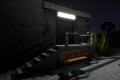

iBLiS is a first-person horror game focused on exploration and psychological tension rather than direct action. The player enters a quiet, unfamiliar environment and must navigate through it while uncovering fragments of information that hint at what has happened. The game does not rely on fast pacing or constant threats, instead building pressure through isolation, limited guidance, and subtle environmental changes. Progress depends on attention to detail and the ability to notice small shifts in surroundings.



iBLiS
Advertisement
Advertisement






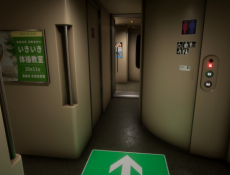
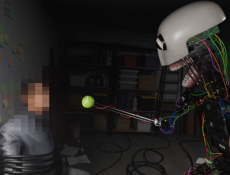

Environment And World Structure
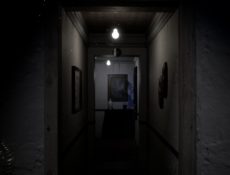
The setting in iBLiS is designed to feel enclosed and uncertain. Locations are connected through narrow corridors, rooms, and transitional spaces that gradually reveal more of the environment. Lighting is often minimal, which limits visibility and forces the player to move carefully. There are no clear markers or objective indicators, so navigation relies on memory and observation. The environment itself becomes part of the challenge, as areas may appear unchanged while actually hiding new elements or altered paths.
Gameplay Mechanics And Interaction
Gameplay in iBLiS centers on exploration and interaction rather than combat. The player engages with objects, reads visual cues, and reacts to environmental changes. Controls are simple, allowing focus to remain on decision-making instead of mechanics. Progression is tied to understanding how the space reacts to player movement and choices. Typical actions within the game include:
- Exploring rooms for interactive elements
- Observing visual or audio changes
- Triggering events through movement
- Backtracking to previously visited areas
- Interpreting environmental clues
These actions form a loop where awareness is more important than speed or reflexes.
Sound Design And Atmosphere
Sound plays a critical role in shaping the experience of iBLiS. The game uses ambient noise, distant echoes, and moments of silence to guide player attention. Audio cues often indicate that something has changed in the environment, even when nothing is immediately visible. There is little to no background music, which makes each sound stand out more clearly. This design encourages players to rely on hearing as much as sight while exploring.
Narrative Delivery And Interpretation
The story in iBLiS is presented indirectly. Instead of cutscenes or dialogue, the narrative unfolds through environmental details and subtle hints. Players are expected to piece together events by observing surroundings and connecting visual elements. This approach allows for multiple interpretations, as the game avoids explaining its story directly. The lack of explicit answers encourages reflection and personal understanding of what the player experiences.
Comments (0)


2026
