











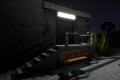
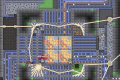
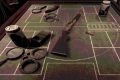
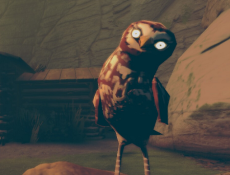
I’m On Observation Duty 8 continues the concept of surveillance-based gameplay where the player is assigned to monitor locations through security cameras. The core idea remains simple: observe, remember, and report anything that does not belong. There is no character movement or combat system. Instead, the entire experience is built around attention, memory, and pattern recognition. The player’s role is passive in action but active in perception, which makes the game rely heavily on focus rather than reflexes.



I’m On Observation Duty 8
Advertisement
Advertisement

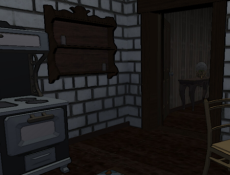


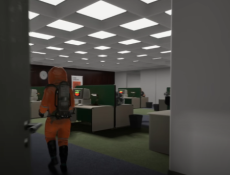
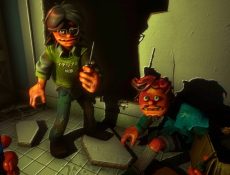
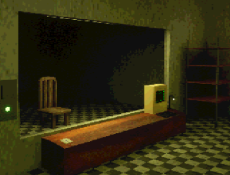


Observation as the Main Mechanic
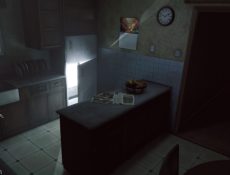
At the start of each session, the player is placed in front of multiple camera feeds connected to a specific location. These areas are designed to look ordinary at first, filled with everyday objects and normal lighting. The early minutes are crucial because they establish a visual reference. Every detail matters, from object placement to lighting and background elements. Once the observation phase begins, the player must rely on memory to detect changes, as the game does not provide direct hints or comparisons.
Identifying Changes and Making Reports
As time passes, anomalies begin to appear. These can range from small visual alterations to more obvious intrusions. The player must recognize the type of anomaly and report it correctly before too many issues accumulate. Incorrect reports waste time, while missed anomalies increase the chance of failure. The tension comes from balancing speed and accuracy, as focusing too long on one camera can cause problems elsewhere.
Common tasks during a session include:
- Scanning multiple camera feeds repeatedly
- Remembering object positions and room layouts
- Identifying visual or behavioral anomalies
- Selecting the correct anomaly category
- Preventing anomaly buildup over time
Increasing Difficulty and Mental Load
As the session continues, the frequency of anomalies increases. The player is forced to divide attention more carefully, switching between cameras faster while maintaining accuracy. Some changes are subtle and easy to miss, while others appear briefly and disappear if not reported quickly. This creates pressure without using traditional jump scares or action mechanics. The difficulty comes from mental overload rather than mechanical complexity.
Structure and Replay Value
Each location in I’m On Observation Duty 8 offers a different layout and set of potential anomalies. While the core mechanics remain consistent, the variation in environments changes how players approach observation. Learning a new area means building a new mental map and adjusting observation habits. This structure encourages replayability, as mastery depends on familiarity rather than progression systems or upgrades.
Comments (0)


2026
