








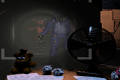


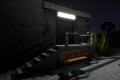
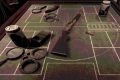
Jeff The Killer is a first-person survival horror game inspired by a well-known internet character. The player is placed in an enclosed location with little context and limited information about what is happening. From the beginning, the focus is on staying alive rather than understanding a detailed backstory. The environment is quiet and confined, encouraging slow movement and careful observation. Progress depends on avoiding direct confrontation and learning how the space reacts to player actions.



Jeff The Killer
Advertisement
Advertisement

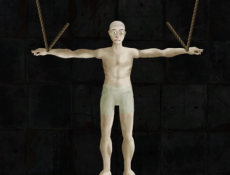
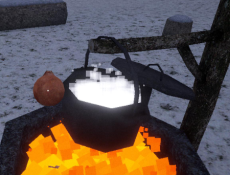


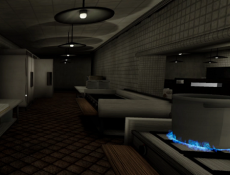
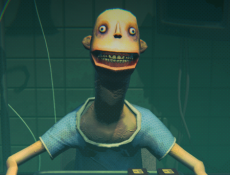
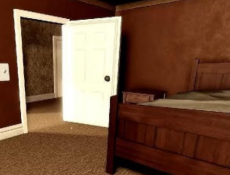
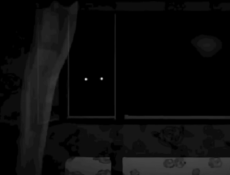
Jeff The Killer is a first-person survival horror game inspired by a well-known internet character. The player is placed in an enclosed location with little context and limited information about what is happening. From the beginning, the focus is on staying alive rather than understanding a detailed backstory. The environment is quiet and confined, encouraging slow movement and careful observation. Progress depends on avoiding direct confrontation and learning how the space reacts to player actions.
Environment and Player Awareness
The game is structured around exploration of interior spaces such as rooms, corridors, and stairways. Visibility is often limited, making orientation difficult without memorizing layouts. The player must pay attention to sound, lighting, and object placement to understand where it is safe to move. Unlike action-based horror games, there are no tools to fight back. Awareness of surroundings becomes the primary defense, and careless movement can quickly lead to failure.
Threat Behavior and Survival Loop
Jeff functions as a constant threat rather than a scripted encounter. His presence is communicated through sound cues, sudden appearances, or changes in the environment. The player must manage distance and timing to avoid detection. Hiding spots offer temporary safety but cannot be relied on indefinitely. Survival depends on recognizing patterns and adjusting behavior based on previous encounters.
In the middle of gameplay, the player repeatedly focuses on:
- navigating rooms while listening for danger
- avoiding noise that attracts attention
- using hiding places to break pursuit
- locating key objects to unlock progress
- memorizing safe and unsafe routes
Progression and Game Structure
Progression is typically linear, with locked areas opening as specific items are found or tasks are completed. Notes or environmental details may provide context, but they are not required to move forward. The structure emphasizes repetition, as failure often sends the player back to earlier points. Learning comes from experience rather than instruction, and improvement is tied to better movement choices rather than new abilities.
Jeff The Killer is designed to be completed through persistence rather than mastery of complex systems. There are no upgrade paths or skill trees that change how the game plays. Tension is maintained through limited options and constant vulnerability. Replay value comes from becoming more familiar with layouts and threat timing. The game presents a straightforward survival experience where success depends on patience, memory, and controlled movement rather than speed or combat.
Comments (0)


2026
