











KARDS is a digital collectible card game centered on World War II themes and turn-based strategy. Matches are played between two opponents who take turns deploying units, using orders, and managing limited resources. Each deck represents a historical faction with its own strengths and card pool. The objective is to reduce the opponent’s headquarters health to zero through careful planning and efficient use of cards.



KARDS
Advertisement
Advertisement



KARDS is a digital collectible card game centered on World War II themes and turn-based strategy. Matches are played between two opponents who take turns deploying units, using orders, and managing limited resources. Each deck represents a historical faction with its own strengths and card pool. The objective is to reduce the opponent’s headquarters health to zero through careful planning and efficient use of cards.
Core Rules And Turn Structure
Each match in KARDS follows a structured turn system where players gain resources gradually. Cards are played from hand using credits that increase each round, which limits early actions and expands options over time. Units are placed on the battlefield and remain active until destroyed, allowing for ongoing board control. Orders provide immediate effects such as damage, card draw, or unit modification. The balance between deploying units and responding to enemy actions defines the flow of each turn.
Factions, Cards, And Deck Building
KARDS includes several major factions inspired by historical forces, each with distinct mechanics and card identities. Deck building requires selecting a limited number of cards, which encourages focused strategies rather than broad collections. Cards are divided into units, orders, and special effects, all of which interact through defined rules. Understanding card synergy is important, since individual card strength depends on timing and board state.
In the middle of gameplay, players regularly work with:
- Infantry, tanks, and aircraft units
- Orders that affect units or headquarters
- Support cards that improve efficiency
- Resource management decisions each turn
Frontline And Tactical Positioning
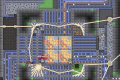
A key mechanic in KARDS is the frontline system, which determines how units interact across the battlefield. Control of the frontline affects which units can attack the opposing headquarters. Players must decide when to advance units and when to hold positions. This adds a spatial layer to card play, requiring attention to placement and sequence rather than card effects alone.
Progression And Competitive Play
Progression in KARDS is tied to collecting cards and improving decks through regular play. Ranked modes match players of similar skill levels, emphasizing consistency and long-term strategy. Losses provide information rather than penalties, allowing players to adjust decks and tactics. There is no requirement for rapid actions, as matches reward planning and rule knowledge.
Long-Term Engagement And Replay Value
Replay value comes from experimenting with different factions and deck combinations. Even with the same deck, outcomes can vary based on draw order and opponent decisions. Regular balance updates adjust card interactions to maintain consistency. Over time, players improve by learning timing, resource pacing, and battlefield control, making KARDS a game focused on strategic understanding rather than mechanical speed.
Comments (0)


2026
