




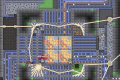
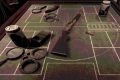
KPop Demon Hunters Playground is a sandbox-style browser game where players create and control battle scenarios using characters inspired by a K-pop-themed universe. The gameplay focuses on placing units, assigning equipment, and observing how interactions unfold. There are no fixed objectives or missions, allowing players to experiment with different setups and outcomes. The structure is based on simulation rather than direct control during combat.


KPop Demon Hunters Playground
Advertisement
Advertisement

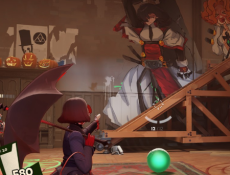
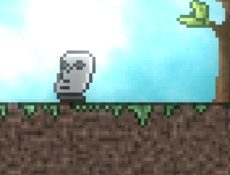
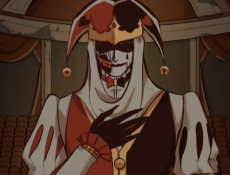
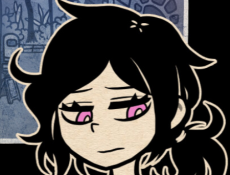
KPop Demon Hunters Playground is a sandbox-style browser game where players create and control battle scenarios using characters inspired by a K-pop-themed universe. The gameplay focuses on placing units, assigning equipment, and observing how interactions unfold. There are no fixed objectives or missions, allowing players to experiment with different setups and outcomes. The structure is based on simulation rather than direct control during combat.
Sandbox Environment And Tools
The game provides an open playground where players can build their own scenes. Characters, weapons, and objects are selected from a menu and placed freely on the map. The environment can be modified by adding structures, obstacles, or decorative elements.
This system allows full control over how each scenario is constructed. Players can position units, adjust layouts, and prepare interactions before starting the simulation. Once everything is set, the scene becomes active and events unfold automatically.
Core Gameplay Loop
The gameplay is based on creating, testing, and modifying different scenarios within the sandbox.
- Selecting characters and placing them on the map
- Assigning weapons, items, or roles
- Building structures or adjusting the environment
- Starting the simulation to observe outcomes
- Resetting and modifying setups for new results
This loop encourages experimentation. Players repeat the process to explore different combinations and interactions.
Characters And Interactions
The game includes a variety of characters, including hunters, demons, and crossover figures from other themes. Each unit behaves according to predefined physics and interaction rules.
Combat is not directly controlled once it begins. Instead, characters act based on their placement, equipment, and proximity to others. This creates outcomes that depend on initial setup rather than real-time input. The system emphasizes observation over direct control.
Simulation And Replay Structure
There is no traditional progression system such as levels or upgrades. The experience is driven by repeated scenario creation and testing. Players can pause, reset, and adjust simulations at any time, allowing continuous experimentation.
Each session is independent, and outcomes vary depending on how elements are arranged. This structure supports replayability through variation rather than progression.
Comments (0)

2026
