



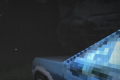



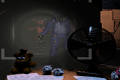

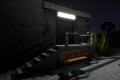
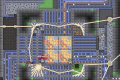
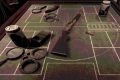
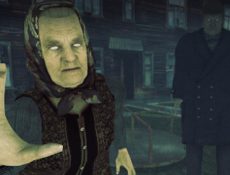
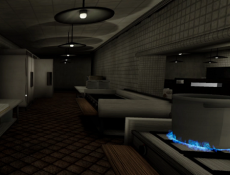
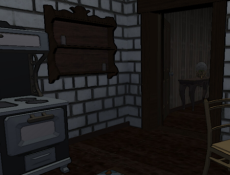
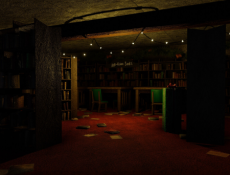
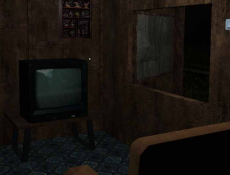
Kuzbass Horror places the player in an environment inspired by abandoned industrial areas and remote locations. From the first moments, the game creates a sense of distance from the outside world. There are no clear explanations or tutorials, and the player is left to understand the surroundings through movement and observation. The space feels empty but active at the same time, as if something has already happened before the player arrived. This approach makes exploration the main tool for understanding what is going on inside the game world.



Kuzbass Horror
Advertisement
Advertisement




Movement and Player Control
Instead of fast-paced action, Kuzbass Horror relies on slow navigation and careful interaction. The player walks through narrow corridors, open yards, and dark interiors, paying attention to sounds and visual details. Controls are simple and do not distract from the experience. There are no weapons or combat systems, which shifts attention toward environmental awareness. Progress depends on noticing changes in the surroundings and reacting to them in the right order.
Interaction and Core Elements
The game mechanics are minimal but intentional. Everything the player does serves to deepen immersion rather than provide challenge through difficulty.
Main interactive elements include:
- moving through confined and open areas
- examining objects that trigger events
- responding to sound cues in the environment
- navigating low-visibility spaces
These elements form the foundation of gameplay and encourage slow, deliberate movement instead of quick decisions.
Atmosphere and Technical Direction
Kuzbass Horror uses restrained visuals and sound design to support tension. Lighting is uneven, often forcing the player to rely on limited visibility. Textures and environments are kept realistic, avoiding exaggerated effects. Audio plays a major role, with distant noises, footsteps, and ambient sounds guiding attention and building uncertainty. There is little to no music, which allows silence to become part of the experience.
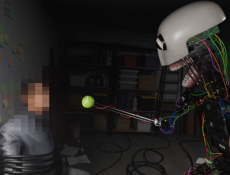
Kuzbass Horror delivers a focused horror experience centered on mood rather than action. The game avoids traditional horror mechanics such as combat or scripted scares, choosing instead to build pressure through space and sound. Its structure allows players to move at their own pace while gradually uncovering what the environment suggests. This makes the game suitable for those who prefer atmospheric exploration and psychological tension over fast gameplay or complex systems.
Comments (0)


2026
