












Leaf It Alone
Advertisement

Advertisement

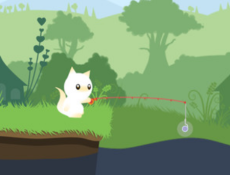




Leaf It Alone is a calm, contemplative puzzle-adventure game centered on nature, solitude, and quiet problem-solving. The game invites you into a world where progress is driven not by speed or pressure, but by observation, patience, and respect for the environment around you. Every interaction feels deliberate, encouraging you to slow down and think before acting.
A World Built on Stillness
The game world is composed of small, carefully designed natural spaces filled with trees, plants, stones, wind, and light. There are no crowds, no loud signals, and no constant instructions telling you what to do next. Instead, the environment itself becomes the guide. Subtle visual cues, changes in sound, and natural movement hint at possible interactions without breaking immersion.
Each location feels self-contained, like a quiet pocket of nature suspended in time. The absence of urgency allows you to explore freely, noticing details that would normally be ignored in faster-paced games. This design reinforces the game’s central theme: sometimes the best solution comes from stepping back rather than pushing forward.
Puzzle Design Rooted in Nature
Puzzles in Leaf It Alone are inspired by natural processes rather than mechanical logic. Leaves fall, wind shifts objects, shadows move with the sun, and growth happens gradually. Solutions often involve understanding how elements influence each other instead of forcing outcomes directly.
You might need to wait for the right moment, reposition elements gently, or allow nature to take its course. The game avoids hard failure states, creating a space where experimentation feels safe and rewarding. If a solution does not work, the world quietly resets, inviting you to try again with a different perspective.
Minimal Guidance, Maximum Reflection
There is very little text or direct explanation. The game trusts the player to learn through experience. This lack of explicit instruction strengthens immersion and makes every discovery feel personal. When a puzzle clicks, it feels earned rather than given.
The interface is deliberately unobtrusive, keeping focus on the environment itself. There are no flashing icons or constant reminders, allowing the player to remain fully present in the moment. This design choice supports the meditative tone and encourages thoughtful engagement rather than task completion.
Sound, Mood, and Emotional Tone
Sound plays a crucial role in shaping the atmosphere. Rustling leaves, distant birds, soft wind, and natural echoes create a sense of calm and isolation. Music is used sparingly, often fading in and out so subtly that it blends with environmental noise.
Emotionally, the game leans toward introspection. It does not tell a story through dialogue or exposition, but through mood and progression. The experience can feel comforting, melancholic, or quietly uplifting depending on how the player connects with the space. The absence of characters places the focus inward, turning the experience into a personal reflection rather than a narrated tale.
An Experience About Letting Go
At its core, Leaf It Alone is about restraint. The game repeatedly reinforces the idea that not every problem requires intervention. Sometimes the correct response is to stop interfering and allow things to settle naturally. This philosophy is woven into both gameplay and presentation, creating a cohesive experience that stands apart from traditional puzzle games.
Leaf It Alone is ideal for players seeking a slower, more thoughtful experience. It offers a gentle challenge, a peaceful atmosphere, and a reminder that clarity often comes when you stop forcing answers and allow space for understanding to grow.