









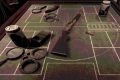
Limbus Company is a turn-based strategy RPG structured around squad-based combat, character progression, and mission-driven storytelling. Players manage a team of units referred to as Sinners, each defined by individual abilities, combat roles, and interchangeable identities. The gameplay emphasizes tactical decision-making and system interaction rather than real-time mechanics. Progression unfolds through structured chapters where narrative events and combat challenges are tightly integrated.



Limbus Company
Advertisement
Advertisement







Limbus Company is a turn-based strategy RPG structured around squad-based combat, character progression, and mission-driven storytelling. Players manage a team of units referred to as Sinners, each defined by individual abilities, combat roles, and interchangeable identities. The gameplay emphasizes tactical decision-making and system interaction rather than real-time mechanics. Progression unfolds through structured chapters where narrative events and combat challenges are tightly integrated.
Combat Mechanics And Clashes
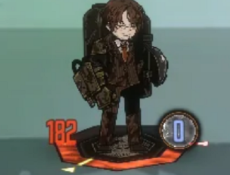
The combat framework in Limbus Company is based on turn resolution through skill clashes. Players assign actions to characters, which then interact directly with enemy abilities. Outcomes are influenced by numerical skill values, probability systems, and status modifiers. Instead of traditional attack-defense sequences, clashes determine which abilities succeed, creating a layered decision structure.
Each Sinner operates using skills tied to their equipped identity. Identities modify statistics, available abilities, and strategic roles. This system allows players to adapt squad configurations depending on encounter requirements. Efficient planning involves understanding how abilities interact and how clashes influence resource flow.
Core Gameplay Components
Limbus Company integrates multiple systems that define its progression cycle:
- Turn-based combat resolution
- Identity-based character modification
- Squad composition strategy
- Resource and status management
- Mission and chapter progression
- Narrative event sequences
These mechanics operate simultaneously throughout gameplay.
Identity System And Character Roles
The identity system functions as a central customization mechanic. Characters can assume alternate identities that alter their combat behavior. Each identity introduces different skill sets, strengths, and tactical applications. This flexibility encourages players to experiment with team combinations and optimize synergy between units.
Character roles are shaped by ability types and status effects. Some units focus on damage output, while others influence enemy behavior or provide stability through support mechanics. Squad efficiency depends on balancing offensive and defensive capabilities.
Narrative Structure And Progression
Limbus Company follows a chapter-based narrative model. Story events unfold through missions, dialogue sequences, and scenario-based encounters. Narrative progression is directly linked to gameplay advancement, ensuring that combat and story development remain interconnected.
The setting presents a structured world defined by institutional systems and psychological themes. Characters are gradually developed through interactions and mission outcomes. The narrative framework guides progression without relying on open-world exploration.
Comments (0)


2026
