













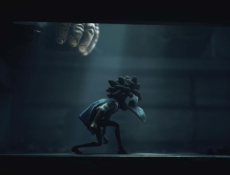
Little Nightmares 3 is a puzzle-platform adventure game that continues the series through a new structure and cast of characters. The game places the player in a distorted world where navigation, cooperation, and awareness are more important than direct confrontation. Progress is built around moving through hostile environments, solving spatial puzzles, and avoiding threats rather than defeating them. The experience focuses on movement, timing, and understanding how the world reacts to player actions.



Little Nightmares 3
Advertisement
Advertisement








Little Nightmares 3 is a puzzle-platform adventure game that continues the series through a new structure and cast of characters. The game places the player in a distorted world where navigation, cooperation, and awareness are more important than direct confrontation. Progress is built around moving through hostile environments, solving spatial puzzles, and avoiding threats rather than defeating them. The experience focuses on movement, timing, and understanding how the world reacts to player actions.
Dual Protagonists And Cooperation
Unlike earlier entries, Little Nightmares 3 is designed around two protagonists who travel together through the game world. Each character has a specific tool that affects how puzzles are solved and paths are accessed. Players can control both characters alone or play cooperatively with another person, sharing responsibility for movement and problem solving. This structure changes pacing, as many challenges require coordination rather than individual execution. Even in solo play, switching attention between characters becomes a core part of interaction.
Puzzle Design And Interaction
Puzzles in Little Nightmares 3 are integrated directly into environments rather than presented as separate challenges. Obstacles often require both characters to act in sequence or at the same time. The game avoids complex interfaces, instead relying on physical interaction with objects and terrain. Timing and positioning are central, as mistakes can attract threats or block progress.
Common gameplay interactions include:
- Coordinated movement across unstable platforms
- Using character tools to manipulate the environment
- Triggering mechanisms in a specific order
- Distracting enemies to create safe paths
- Navigating confined spaces together
These mechanics emphasize collaboration and observation.
Stealth And Threat Management
Threats in Little Nightmares 3 are designed to be avoided rather than confronted. Enemies patrol areas or respond to sound and movement, forcing players to plan routes carefully. Stealth sections require patience and coordination, especially when both characters must remain hidden. The absence of direct combat reinforces tension and places focus on understanding enemy behavior rather than reacting quickly.
World Structure And Exploration
The game world is divided into connected locations that follow dream-like logic rather than realistic geography. Areas shift in tone and layout, but remain consistent in rules once entered. Exploration is encouraged through hidden paths and environmental storytelling, with visual details hinting at solutions or dangers. The world functions as a puzzle itself, where learning layouts reduces risk over time.
Comments (0)


2026
