









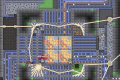
Lunars is a multiplayer game built around competitive board mechanics and short interactive challenges. It is designed for groups of players who want a structured but flexible experience that can be played both locally and online. The core idea is simple: players move across a shared board, take part in mini-games, and earn points based on performance. Despite the simple foundation, the game creates variety through different boards, modes, and player interactions that change the flow of each match.



Lunars
Advertisement

Advertisement








Match Structure and Flow
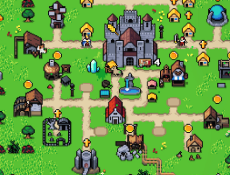
Every match in Lunars begins with players choosing a mode and entering a board environment. The board acts as the central hub where movement and decisions take place. Depending on the selected mode, players either take turns or act simultaneously, which affects pacing and strategy. Some spaces offer bonuses, while others trigger challenges or alter player positions. This structure keeps matches moving forward and ensures that no single moment feels repetitive or predictable.
Mini-Games and Competitive Elements
Mini-games are the main way players earn advantages and points. These short challenges test different skills such as timing, coordination, and reaction speed. They are designed to be easy to understand but difficult to master, allowing both new and experienced players to compete. Performance in mini-games often determines the outcome of a round, making them a central part of the experience rather than a side activity.
During a typical match, players will:
- Move across the board based on the active ruleset
- Enter mini-games at designated points
- Compete for points or positional advantages
- Use items that affect future turns
- Aim to finish with the highest overall score
Board Variety and Strategic Choice
Each board in Lunars introduces unique layouts and mechanics that influence how players approach the game. Some boards encourage aggressive movement and frequent interaction, while others reward careful positioning and planning. Because of this variety, players must adapt their strategy from match to match. The board design plays an important role in keeping the game fresh, as even familiar mini-games feel different depending on where and when they occur.
Characters and Visual Identity
Players choose from a cast of zodiac-themed characters, each designed to be visually distinct while remaining mechanically equal. Customization options allow players to personalize their characters without affecting gameplay balance. This ensures that competition remains fair while still giving players a sense of identity within a match. The visual style is clean and readable, which helps maintain clarity during fast-paced moments.
Lunars focuses on accessibility and replayability rather than complexity. Its rules are easy to learn, yet the combination of board movement and mini-games creates depth through interaction rather than systems. The game encourages social play, quick decision-making, and adaptability, making it suitable for both short sessions and extended group play.
Comments (0)


2026
